See the Gateway of India
The 1924 basalt arch on the waterfront, beside the historic Taj Mahal Palace hotel.
Mumbai is India's city of dreams: a fast, generous metropolis of Victorian Gothic stations, Art Deco seafronts, ancient cave temples and the world's busiest street-food stalls. Our private Mumbai tours combine the Gateway of India, the ferry to Elephanta and the historic Fort district. You also see Dhobi Ghat and sunset on Marine Drive, with a local guide.
New tours are coming soon. Tell us what you would like to see and we will design it for you.
Looking for a Customized Itinerary? Confused about Where, When and How? Talk to us — we will design the right tour for your dates.
The 1924 basalt arch on the waterfront, beside the historic Taj Mahal Palace hotel.
An hour across the harbour to 5th-century cave temples and the great three-headed Shiva.
A Victorian Gothic masterpiece of domes and gargoyles, still one of the world's busiest stations.
Gothic and Art Deco landmarks around the Oval Maidan, Kala Ghoda and Flora Fountain.
Stroll the seafront promenade as the lights of the Queen's Necklace come on.
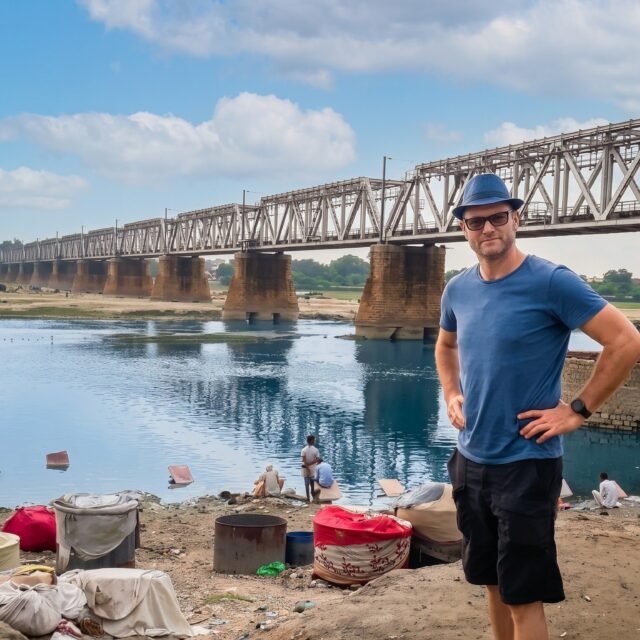
Hundreds of washermen at work in open-air troughs, seen from the bridge above.
Vada pav, pav bhaji and Chowpatty's bhel puri with a guide who knows the best stalls.
November to February is the best time, with warm, dry days of 25–32°C and pleasant evenings by the sea. March to May is hot and very humid. The monsoon, from June to September, brings some of the heaviest rain of any Indian city, with flooding that can disrupt traffic and trains, and Elephanta ferries often stop. It is also the season of Ganesh Chaturthi in August or September, Mumbai's biggest festival, when huge Ganesh idols are carried to the sea. Diwali in October or November is festive. Elephanta closes on Mondays.
Chhatrapati Shivaji Maharaj International Airport has flights from across India and the world and is about an hour from South Mumbai, depending on traffic. Navi Mumbai International Airport, across the harbour, now handles some flights. Long-distance trains arrive at CSMT, Mumbai Central and Bandra Terminus, and cruise ships dock at the international cruise terminal near Ballard Estate. Within the city, traffic is heavy; the Metro, suburban trains and the coastal road help, and app cabs are easy to find. Your private car and driver handle everything on tour.
Colaba and the Fort district in South Mumbai put the Gateway, Elephanta ferries and most heritage sights within walking distance, with hotels from the legendary Taj Mahal Palace to boutique guesthouses. Marine Drive hotels have sea views. Bandra and Juhu in the suburbs are trendy and close to the beaches, with good restaurants and nightlife. Hotels near the airport suit short stays. For sightseeing, we usually book South Mumbai to avoid long drives through traffic, with a sea-view room where possible.
Mumbai eats on the street and in everything from old Irani cafés to world-class restaurants. Try vada pav, pav bhaji, bhel puri and pani puri, kebabs on Mohammed Ali Road in the evening, and bun maska with Irani chai. Konkan seafood, such as bombil fry and fish thali, is superb. Parsi restaurants serve dhansak and berry pulao. Choose busy stalls, drink bottled water and ask for pani puri made with mineral water. Vegetarians are spoilt for choice across the city.
The caves and ferries are closed on Mondays. Take an early ferry on other days to avoid heat and crowds.
Group sights by area and avoid the evening rush; drives across the city can take over an hour.
At Dhobi Ghat and in markets, ask before photographing people and follow your guide's lead.
From June to September, expect heavy rain and flooding; plan indoor museums on wet days.
At Haji Ali, cover shoulders and legs; women should carry a scarf to cover their heads.
Taste your way through India's old cities with a guide who knows the best stalls
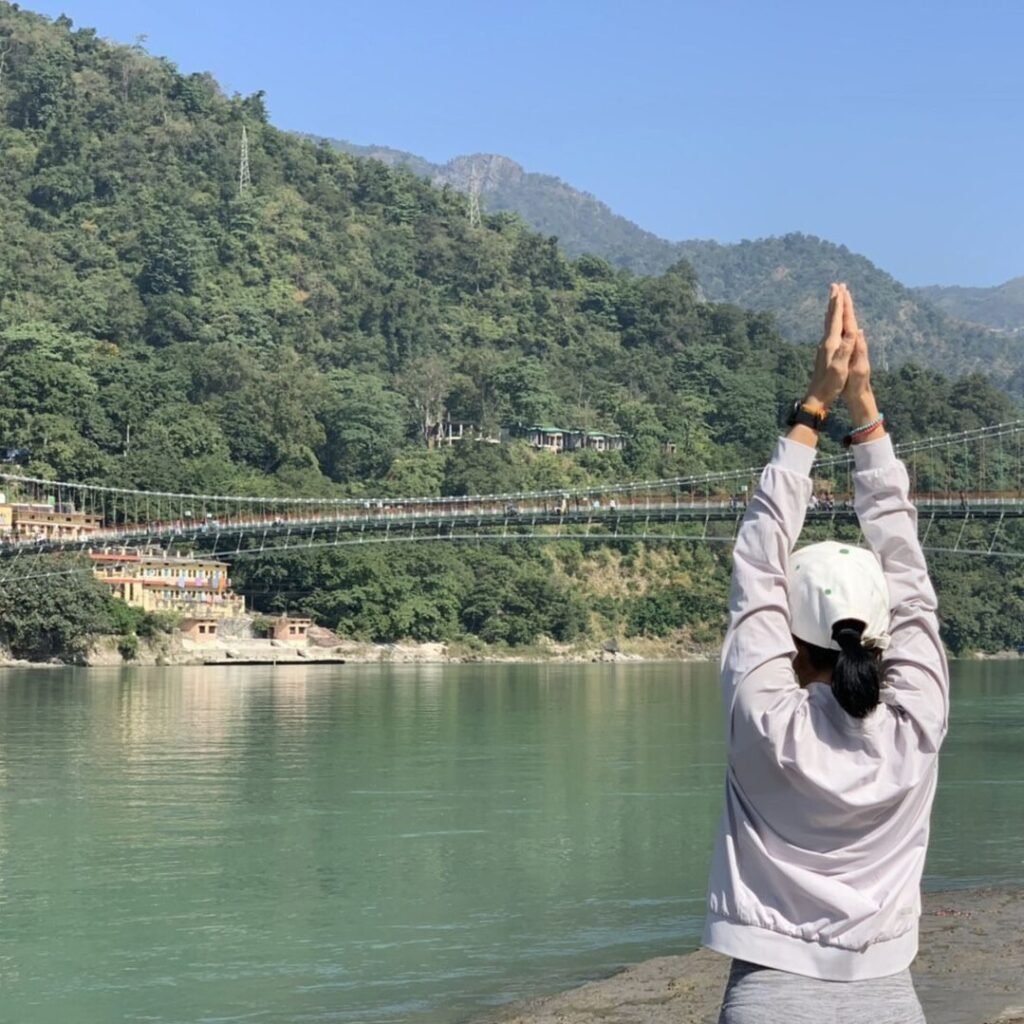
Sunrise on the Ganges, sunset on Lake Pichola and calm water under the Himalaya
Old bazaars, hidden lanes and living history, explored on foot with a local guide
Mumbai
Mumbai's UNESCO-listed Victorian Gothic railway station (the old Victoria Terminus): history, architecture, the evening lights, heritage tours and tips.
Mumbai
Ancient rock-cut Shiva temples on Elephanta Island in Mumbai harbour, with the colossal three-headed Shiva. UNESCO site. Ferry, timings (closed…
Mumbai
Mumbai's waterfront arch from 1924, beside the Taj Mahal Palace hotel: history, the Elephanta ferry, Colaba Causeway shopping, timings and…
Mumbai
Mumbai's great museum in a domed Indo-Saracenic building: Indus Valley finds, sculpture, miniatures and Himalayan art, plus the Kala Ghoda…
Mumbai
Gandhi's Mumbai home from 1917 to 1934, now a museum: his room and spinning wheel, dioramas of his life, photographs…
Mumbai
Mumbai's white seafront Sufi shrine on an islet, reached by a tidal causeway: history, visiting times and tides, qawwali, etiquette…
Mumbai
Bandra's seaside promenade in Mumbai: views of the Bandra–Worli Sea Link, the 1640 Portuguese fort, Bollywood homes, Mount Mary Church…
Mumbai
Mumbai's huge open-air laundry at Mahalaxmi, where washermen clean clothes by hand in rows of stone pens: the best viewpoint,…
Mumbai
Mumbai's seafront promenade and the Queen's Necklace: sunset walks, Art Deco buildings (UNESCO), Chowpatty Beach street food, timings and tips.
Mumbai, formerly Bombay, is India's largest city and its financial and film capital, home to more than 20 million people on a narrow peninsula facing the Arabian Sea. It began as seven islands of fishing villages belonging to the Koli community. The Portuguese gave the islands to England in 1661 as part of a royal dowry, and the British East India Company joined them by land reclamation into one of the great ports of the empire. The cotton boom of the 1860s paid for a building spree of extraordinary Victorian Gothic architecture. Then in the 1930s came one of the world's largest collections of Art Deco buildings.
Today Mumbai is energetic, cosmopolitan and full of contrasts: glass towers beside fishing villages, film stars and street vendors, colonial grandeur and the warmth of its people. It has three UNESCO World Heritage listings, more than any other Indian city.
The Gateway of India, a basalt arch on the Apollo Bunder waterfront, was built to commemorate the visit of King George V and Queen Mary in 1911 and completed in 1924. In 1948 the last British troops left India through it. Beside it stands the Taj Mahal Palace hotel, opened in 1903. Ferries leave from here for Elephanta Island. Behind the waterfront, Colaba is a lively district of cafés, street stalls and the famous Colaba Causeway market.
An hour across the harbour by ferry, the Elephanta Caves are rock-cut temples dedicated to Shiva, carved between the 5th and 7th centuries. The main cave holds the magnificent Trimurti, a six-metre, three-headed bust of Shiva as creator, preserver and destroyer, surrounded by carved panels of his legends. The caves are a UNESCO site. The ferry ride, past fishing boats, container ships and the city skyline, is part of the experience. The caves and ferries are closed on Mondays, and ferries stop in rough monsoon seas. See boat rides.
North of Colaba, the Fort district has some of the finest Victorian buildings in the world. The Chhatrapati Shivaji Maharaj Terminus (CSMT, formerly Victoria Terminus), completed in 1888, is a riot of domes, spires, gargoyles and stained glass. It is still one of the busiest railway stations on earth and a UNESCO site. Nearby are the High Court, the University with its Rajabai Clock Tower, Flora Fountain and the Kala Ghoda arts district. Around the Oval Maidan, Gothic buildings face a row of Art Deco apartments across the cricket pitches, the heart of the UNESCO-listed Victorian Gothic and Art Deco Ensembles. Our heritage walk explores them on foot.
The Chhatrapati Shivaji Maharaj Vastu Sangrahalaya (formerly the Prince of Wales Museum) holds superb sculpture, miniature paintings and decorative arts in an Indo-Saracenic building with a great dome.
Marine Drive, the 3.6 km curved seafront promenade, is lined with Art Deco buildings and is where all Mumbai comes to walk, jog and watch the sunset. At night, its streetlights form the Queen's Necklace. It ends at Girgaum Chowpatty beach, famous for its snack stalls and the Ganesh festival immersions. Further north, the Haji Ali Dargah, a white mosque and tomb on an islet, is reached by a causeway at low tide. In the suburbs, Bandra Bandstand is a seafront promenade with the ruins of a Portuguese fort and views of the Bandra-Worli Sea Link.
At Dhobi Ghat (Mahalaxmi), hundreds of washermen scrub laundry in rows of open-air concrete troughs, a scene best viewed from the bridge above. The dabbawalas deliver around 200,000 home-cooked lunches a day across the city with remarkable accuracy, and you can watch them at Churchgate around late morning. Mani Bhavan, where Mahatma Gandhi stayed when in Mumbai, is now a moving small museum. The markets of Crawford Market and Chor Bazaar are full of colour and bargaining.
Mumbai's street food is legendary: vada pav, the city's spiced potato burger; pav bhaji; bhel puri and pani puri on Chowpatty beach; and the Irani cafés of the Fort district with their bun maska and chai. Seafood from the Konkan coast, Parsi dishes and every regional Indian cuisine are found here. Our street-food walk picks the safest and best stalls.
Mumbai is the home of Bollywood, the Hindi film industry, which makes hundreds of films a year. Studio tours at Film City in the northern suburbs show sets and dance rehearsals, and an evening at a single-screen cinema, with whistles and cheers from the audience, is an experience in itself. The city's biggest festival is Ganesh Chaturthi, in August or September, when giant idols of the elephant-headed god are worshipped in pandals across the city for up to ten days, then carried to the sea at Chowpatty in vast processions. The Kala Ghoda Arts Festival in February fills the Fort district with art, music and talks.
You meet your guide at the Gateway of India at about 8:30 am for the first ferry to Elephanta, exploring the caves before the heat and returning by early afternoon. After lunch at an Irani café in the Fort district, you walk past CSMT, the High Court and the Oval Maidan, with a stop at Dhobi Ghat on the way north. As the sun sets, you stroll Marine Drive to Chowpatty for bhel puri on the beach. It is a full but varied day, with the ferry ride as a restful break.
Mumbai is easier than its size suggests. Children enjoy the ferry, the caves, the beaches at Chowpatty and Juhu and the city's many ice-cream parlours. The Elephanta climb involves about 120 steps, with a toy train covering part of the way from the jetty; seniors can take it slowly or hire a palanquin. Traffic and heat are the main challenges, so we keep driving to a minimum.
Two to three days covers the city well. Spend one day on the Gateway, Colaba, the Fort district, CSMT and Marine Drive at sunset, and another on Elephanta in the morning, then Dhobi Ghat, Mani Bhavan and Haji Ali. A third day adds the museums, Bandra, the markets or a Bollywood studio tour. Our three-day Mumbai city tour follows this rhythm.
Your private air-conditioned car and driver and a licensed local guide meet you at the airport, station or cruise terminal. Mumbai traffic is heavy, so we plan each day by area, taking the early ferry to Elephanta to avoid crowds and heat. We visit Marine Drive and Chowpatty in the evening. On cruise-shore days we tailor a tour to your ship's timings.
Two to three days. One day covers the Gateway, Colaba, the Fort district, CSMT and Marine Drive at sunset; another covers Elephanta, Dhobi Ghat, Mani Bhavan and Haji Ali. A third day adds museums, Bandra and the markets.
Ferries leave from the Gateway of India and take about an hour each way. From the jetty, a short walk and steps lead up to the caves. Ferries and caves are closed on Mondays and in rough monsoon seas.
November to February is best, with warm, dry days and cooler evenings. March to May is hot and humid. The monsoon, June to September, brings very heavy rain and flooding but also the Ganesh festival in August or September.
The Elephanta Caves, the Chhatrapati Shivaji Maharaj Terminus railway station, and the Victorian Gothic and Art Deco Ensembles around the Oval Maidan and Marine Drive.
Mumbai is one of India's safest big cities. Take normal precautions against pickpockets in crowds and on trains, use app cabs or pre-booked cars, and keep valuables close at busy markets.
Yes. The best view is from the Mahalaxmi bridge above, which is free and takes about 15 minutes. Guided walks inside are possible but should be done respectfully, as it is a working place.
Chhatrapati Shivaji Maharaj International Airport handles most international flights and is about an hour from South Mumbai, depending on traffic. Navi Mumbai International Airport, across the harbour, now handles some flights.
Vada pav, pav bhaji, bhel puri and pani puri, seafood from the Konkan coast, Parsi dishes and bun maska with chai at an Irani café. A guided street-food walk takes you to trusted stalls.
 12 Hours
 6 HRS
 1 Day
 1 Day
 1 Day
 1 Day
 1 Day
 1 Day
 1 Day
 1 Day