
For those who have visited India can relate how diverse and huge the country is! India is not just a country; it is a living tapestry of cultures, traditions, languages, beliefs, and artistic expressions that have evolved over thousands of years.
Known for its remarkable diversity, India offers travelers an unparalleled opportunity to experience a multitude of cultures within a single nation. Every state, city, village, and community has its own unique identity, making India one of the most culturally rich destinations in the world.
At Agra Trip Packages, we invite travelers to embark on a fascinating journey through the vibrant cultures of India, where every destination tells a story and every experience leaves a lasting impression.
The Essence of Indian Culture
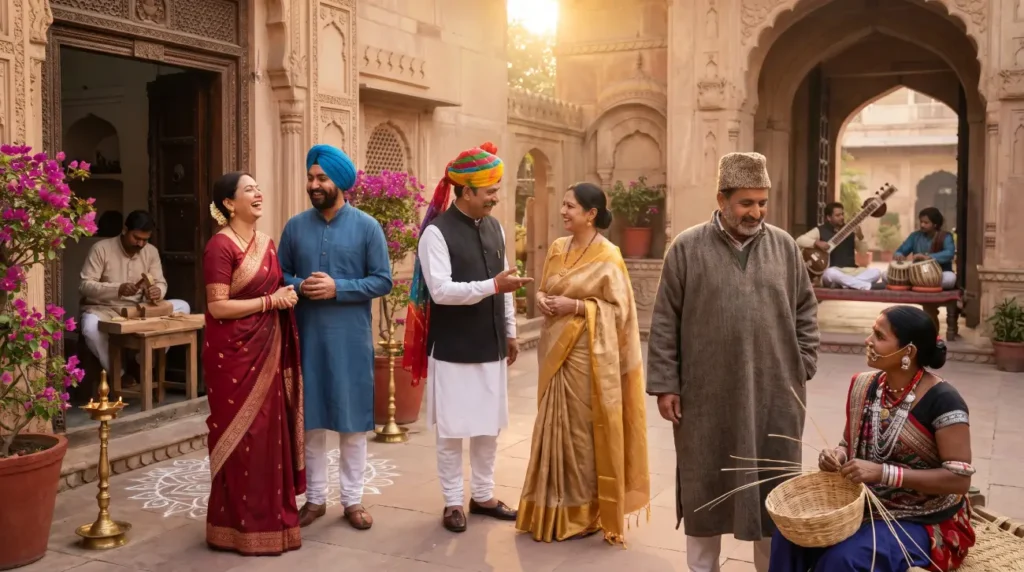
Indian culture is rooted in ancient traditions while embracing modern influences. It is a harmonious blend of customs, spirituality, art, architecture, cuisine, music, and social values that have been passed down through generations. The country’s cultural heritage reflects the contributions of various dynasties, kingdoms, religions, and communities that have flourished on this land over centuries.
What makes India truly special is its ability to preserve age-old traditions while continuously evolving. Travelers often find themselves captivated by the warmth of Indian hospitality, colorful celebrations, and the deep sense of history that can be felt everywhere—from bustling cities to remote villages.
Unity in Diversity: India’s Greatest Strength
India is often described as the perfect example of “Unity in Diversity.” Despite differences in language, religion, attire, cuisine, and customs, people across the country share a strong sense of national identity and mutual respect.
The northern regions showcase majestic forts, vibrant festivals, and rich Mughal influences. Southern India is known for its ancient temples, classical arts, and deeply rooted traditions. Eastern India captivates visitors with its literature, artistic heritage, and grand celebrations, while Western India offers colorful folk cultures, royal history, and thriving craft traditions.
This extraordinary diversity ensures that every journey through India presents new experiences and cultural discoveries.
Languages: The Voice of Cultural Diversity
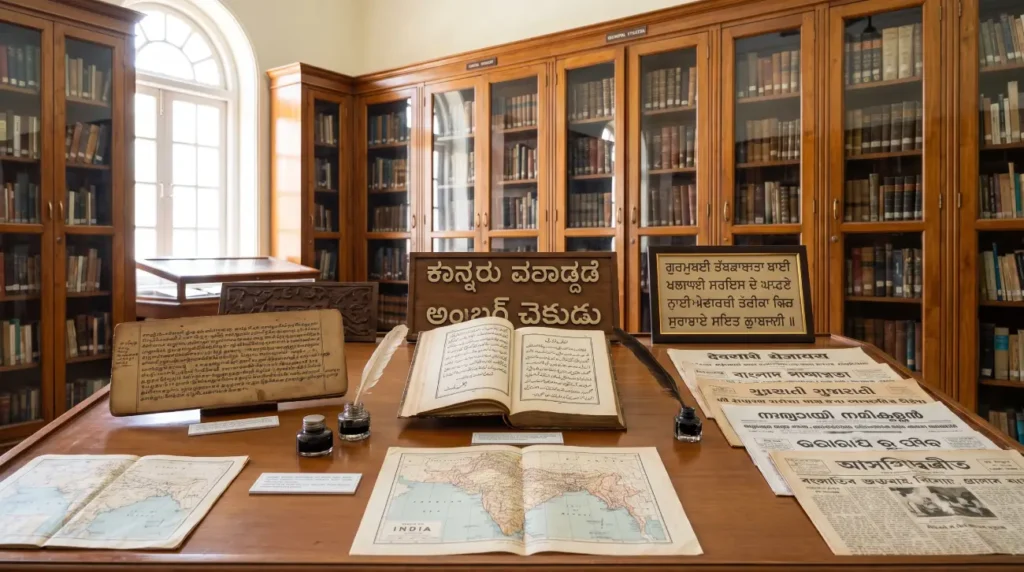
India is one of the most linguistically diverse countries in the world, where language serves as a powerful reflection of history, culture, traditions, and regional identity. The Indian Constitution recognizes 22 official languages (Scheduled Languages), while according to linguistic surveys, the country is home to hundreds of languages and more than 19,500 dialects and mother tongues spoken across different regions.
A popular saying in India is that “the language changes every 100 kilometers.” While not literally true everywhere, it highlights the country’s incredible linguistic diversity. As travelers move from one region to another, they often encounter differences in language, accent, vocabulary, and even writing scripts, creating a fascinating cultural experience.
Hindi and English are widely used for communication, administration, business, and tourism, making it relatively easy for international visitors to travel across the country. However, each state proudly preserves its own linguistic heritage. Some of the major languages spoken in India include:
- Hindi
- Bengali
- Tamil
- Telugu
- Marathi
- Gujarati
- Punjabi
- Kannada
- Malayalam
- Urdu
- Odia
- Assamese
- Sanskrit
- Konkani
- Kashmiri
- Manipuri
Each language has its own rich literary tradition, folklore, music, poetry, and cultural heritage that has evolved over centuries. From the ancient Sanskrit texts and Tamil literature to Bengali poetry and Punjabi folk songs, India’s linguistic landscape reflects the remarkable diversity of its people.
For visitors, this multilingual environment adds a unique charm to traveling across India. Whether listening to local conversations in bustling markets, reading signboards in different scripts, or experiencing regional songs and performances, language becomes an integral part of understanding the country’s cultural richness.
More than just a means of communication, language in India is a living expression of community, heritage, and identity, making it one of the most fascinating aspects of the nation’s cultural diversity.
Festivals: Celebrating Life Throughout the Year
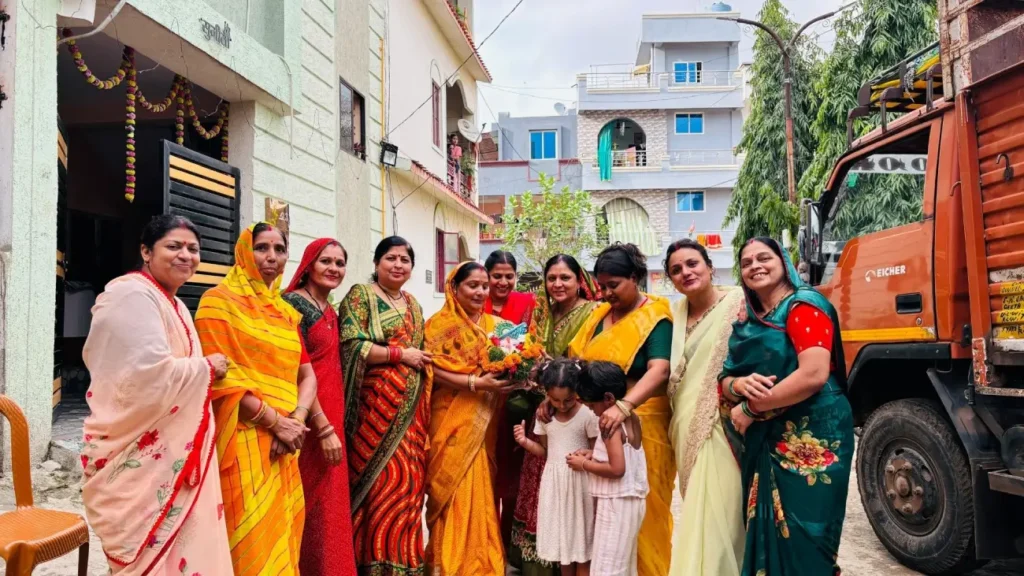
Festivals are the heartbeat of Indian culture and an integral part of daily life. Known as the “Land of Festivals,” India celebrates an extraordinary number of religious, cultural, seasonal, and regional events throughout the year. The country hosts dozens of major festivals and thousands of local fairs, community celebrations, and traditional events, ensuring that almost every month brings a new occasion for celebration.
These festivals showcase India’s vibrant traditions, deep-rooted spirituality, artistic expressions, and strong sense of community. Regardless of religion, region, or language, festivals often bring people together in a spirit of joy, unity, and celebration, offering visitors a unique opportunity to experience the country’s rich cultural heritage firsthand.
Diwali – The Festival of Lights
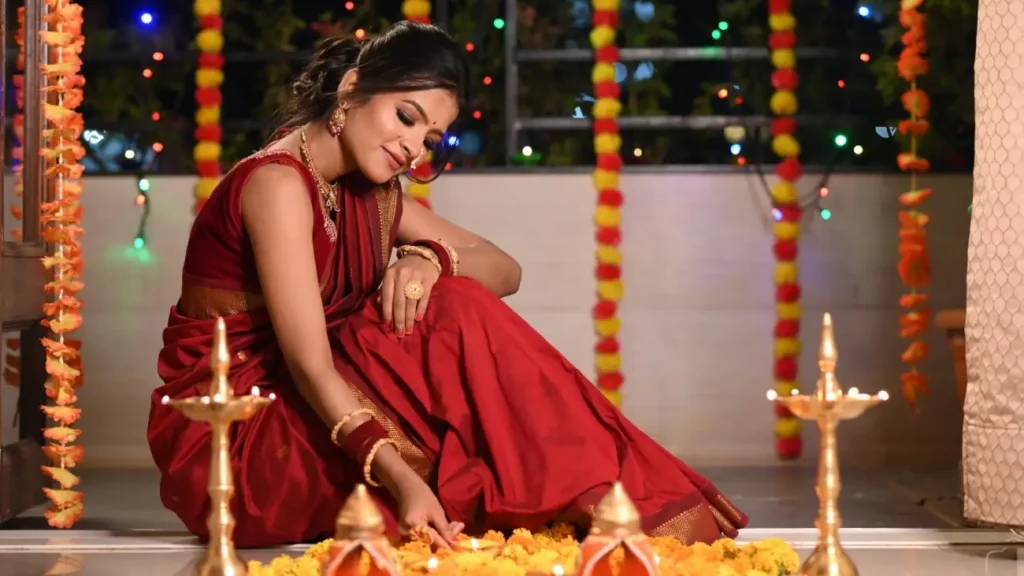
Diwali is India’s most widely celebrated festival and symbolizes the victory of light over darkness, knowledge over ignorance, and good over evil. Homes, temples, streets, and public spaces are illuminated with oil lamps, candles, and decorative lights. Families exchange gifts, enjoy festive meals, and celebrate with prayers, fireworks, and cultural gatherings, creating a magical atmosphere across the country.
Holi – The Festival of Colors
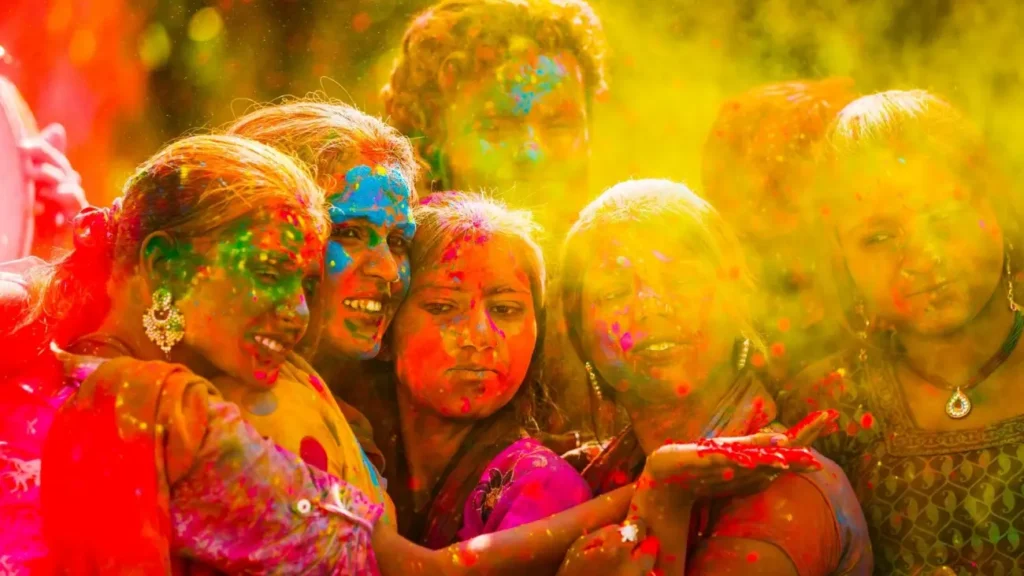
One of the most famous Indian festivals worldwide, Holi marks the arrival of spring and celebrates joy, friendship, and the triumph of good over evil. People gather to throw colorful powders, dance to music, enjoy traditional sweets, and participate in lively celebrations that transform cities and villages into vibrant displays of color.
Navratri and Durga Puja
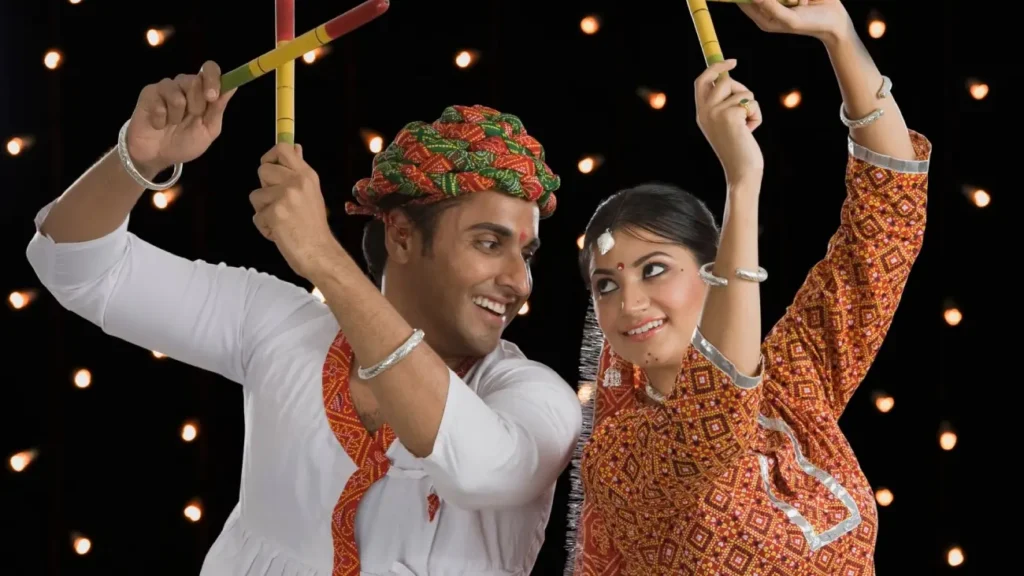
These grand festivals celebrate the divine feminine energy and hold immense cultural and religious significance.
- Navratri, celebrated over nine nights, is known for devotional worship, traditional music, and energetic folk dances such as Garba and Dandiya.
- Durga Puja, particularly prominent in Eastern India, honors Goddess Durga through elaborate artistic displays, cultural performances, processions, and community celebrations.
Eid Celebrations
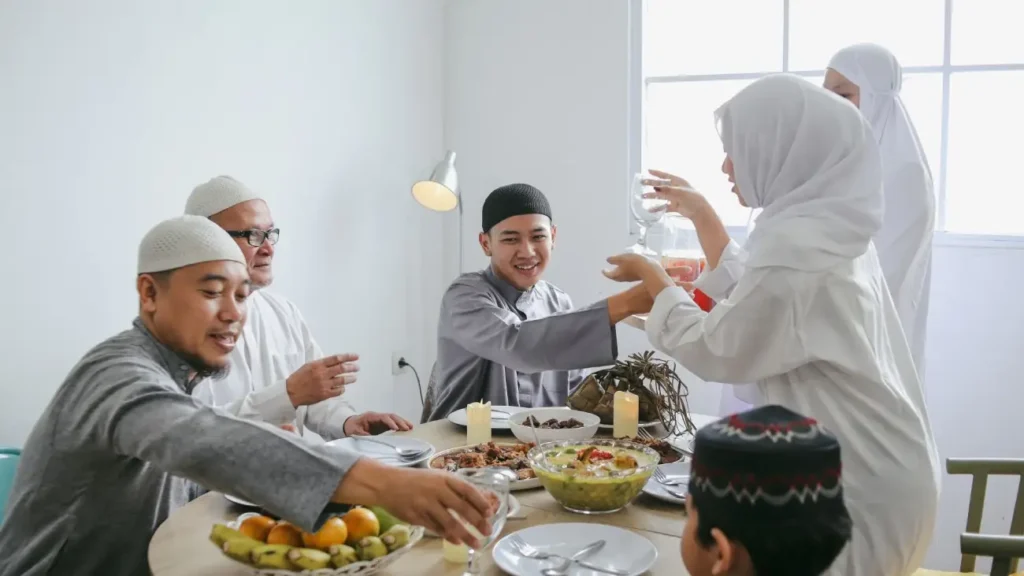
Celebrated by Muslim communities across India, Eid is marked by special prayers, charitable acts, festive meals, and family gatherings. The celebrations reflect India’s multicultural identity and centuries-old traditions of communal harmony and coexistence.
Christmas and New Year
Christmas is celebrated with enthusiasm in many parts of India, particularly in states with significant Christian communities. Churches are beautifully decorated, festive markets come alive, and communities gather for prayers and celebrations. New Year festivities are enjoyed across the country, especially in major cities and tourist destinations.
Other Major Festivals of India
India’s festive calendar extends far beyond these celebrations. Some other major festivals include:
- Onam – Kerala’s famous harvest festival featuring traditional feasts, boat races, and cultural performances.
- Baisakhi – Celebrated in Punjab as both a harvest festival and an important Sikh religious occasion.
- Ganesh Chaturthi – Honoring Lord Ganesha with grand processions and artistic installations.
- Janmashtami – Celebrating the birth of Lord Krishna.
- Pongal – A major harvest festival of Tamil Nadu.
- Makar Sankranti – Known for colorful kite-flying celebrations across many states.
- Rath Yatra – A grand chariot festival held in Odisha.
- Guru Nanak Jayanti – Celebrating the birth of the founder of Sikhism.
- Mahashivratri – Dedicated to Lord Shiva and observed with devotion throughout the country.
Fairs, Cultural Events, and Local Celebrations
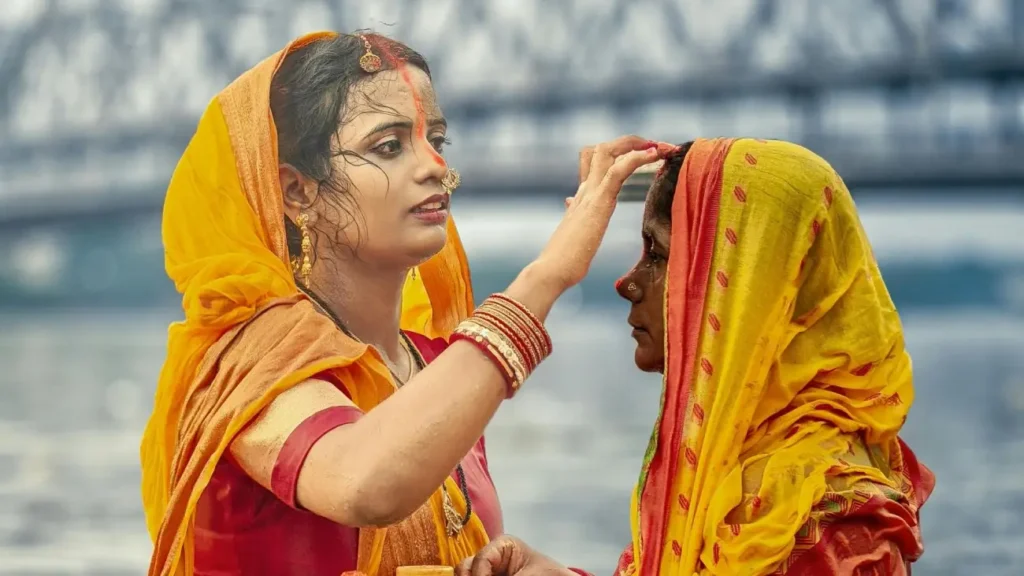
Beyond the major festivals, India hosts countless regional fairs and cultural events that offer travelers authentic local experiences. Famous examples include:
- Pushkar Camel Fair (Rajasthan)
- Kumbh Mela (the world’s largest religious gathering)
- Hornbill Festival (Nagaland)
- Desert Festival (Jaisalmer)
- International Kite Festival (Gujarat)
- Goa Carnival
- Rann Utsav (Gujarat)
These events showcase local traditions, music, dance, handicrafts, cuisine, and community life.
A Year-Round Celebration
What makes India truly unique is that festivals are not limited to specific seasons. Whether visiting in winter, summer, or monsoon, travelers are likely to encounter a celebration, procession, cultural performance, or local fair. These festivals provide a fascinating insight into India’s diverse traditions and offer unforgettable experiences that allow visitors to connect with the country’s vibrant cultural spirit.
For many travelers, witnessing India’s festivals is not just a highlight of their journey—it is one of the most memorable ways to experience the soul of India.
Traditional Clothing: A Reflection of Heritage
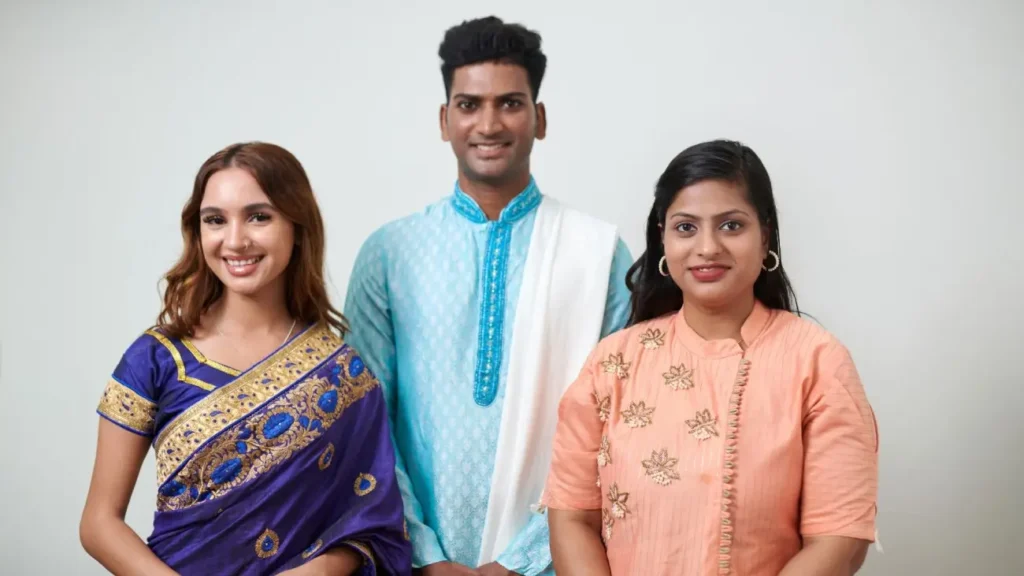
India’s traditional attire varies significantly across regions and communities. Each garment reflects local craftsmanship, climate, and cultural values.
Women often wear elegant sarees, salwar suits, lehengas, and regional dresses, while men may wear kurtas, dhotis, sherwanis, or traditional regional attire.
The country’s textile heritage is world-renowned, featuring exquisite fabrics such as silk, cotton, brocade, and handwoven materials. Regions like Rajasthan, Gujarat, Banaras, and Kanchipuram are particularly famous for their traditional textiles and embroidery.
Indian Cuisine: A Cultural Journey Through Flavors
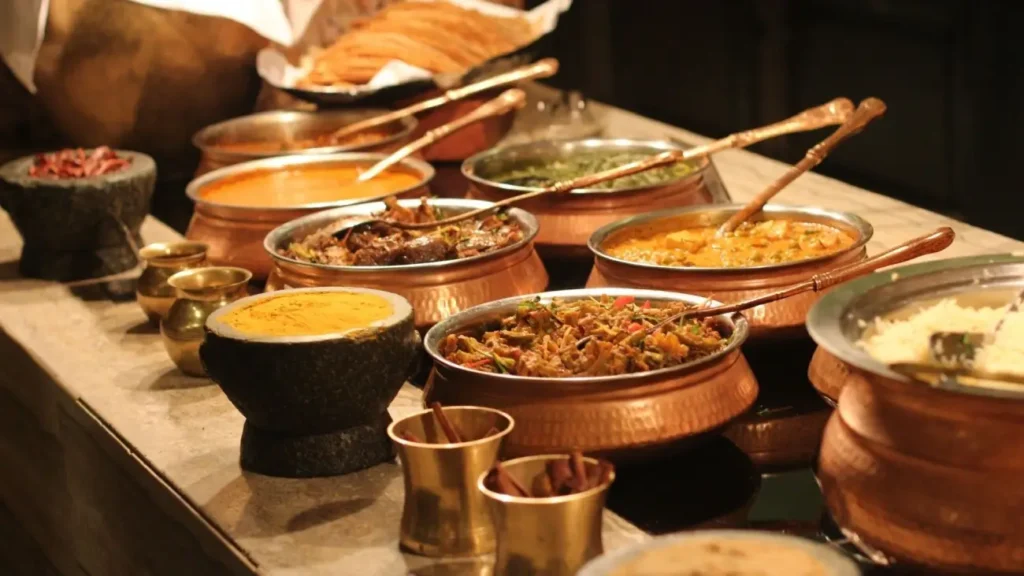
Indian cuisine is one of the most diverse, flavorful, and celebrated culinary traditions in the world. Deeply rooted in culture, geography, history, and local customs, food in India is much more than a necessity—it is an integral part of daily life, festivals, family gatherings, and religious traditions. Every meal tells a story of the region, community, and heritage from which it originates.
One of India’s greatest culinary strengths is its incredible variety of vegetarian cuisine. Due to religious, cultural, and philosophical influences, India is home to one of the world’s largest vegetarian populations. As a result, travelers will find an astonishing range of vegetarian dishes made from vegetables, lentils, grains, dairy products, and aromatic spices. From simple home-cooked meals to elaborate royal feasts, Indian vegetarian food offers rich flavors, nutritional balance, and remarkable diversity.
Another unique aspect of Indian cuisine is that almost every state—and often every city or region—has its own signature dishes, cooking techniques, and food traditions. The ingredients, flavors, and styles of cooking vary significantly across the country, ensuring that no two culinary experiences are exactly alike.
North Indian Cuisine
North Indian cuisine is among the most internationally recognized styles of Indian food. Influenced by Mughal traditions and rich agricultural resources, it is known for hearty meals, aromatic spices, and flavorful gravies.
aromatic spices, and flavorful gravies.
Popular dishes include:
- Butter Chicken
- Rogan Josh
- Biryani
- Tandoori Chicken
- Paneer Butter Masala
- Dal Makhani
- Chole Bhature
- Naan and Paratha varieties
The region is famous for its tandoor (clay oven) cooking, rich curries, and freshly baked breads that are enjoyed throughout the world.
South Indian Cuisine
South Indian cuisine is characterized by its extensive use of rice, coconut, curry leaves, tamarind, and spices. The food is generally lighter yet highly flavorful, with distinct regional variations across states such as Tamil Nadu, Kerala, Karnataka, Andhra Pradesh, and Telangana.
Popular dishes include:
- Dosa
- Idli
- Sambhar
- Vada
- Uttapam
- Appam
- Hyderabadi Biryani
- Seafood specialties from coastal regions
South India is also renowned for its traditional banana-leaf meals and unique breakfast culture.
Western Indian Cuisine
The western states offer some of India’s most diverse culinary experiences.
Gujarat is famous for its predominantly vegetarian cuisine, including:
- Dhokla
- Thepla
- Khandvi
- Undhiyu
Rajasthan is known for its royal and desert-inspired dishes such as:
- Dal Baati Churma
- Gatte Ki Sabzi
- Laal Maas
Maharashtra offers:
- Pav Bhaji
- Vada Pav
- Misal Pav
- Puran Poli
The region showcases a fascinating blend of vegetarian delicacies, spicy street foods, and traditional royal cuisine.
Eastern Indian Cuisine
Eastern India is celebrated for its subtle flavors, rice-based dishes, seafood specialties, and exceptional sweets.
Popular dishes include:
- Fish Curry
- Macher Jhol
- Litti Chokha
- Pakhala Bhata
- Momos in the Himalayan regions
The region is particularly famous for its desserts, including:
- Rasgulla
- Sandesh
- Mishti Doi
- Chhena-based sweets
The abundance of rivers and coastal areas contributes significantly to the popularity of seafood in Eastern India.
Signature Dishes from Across India
Every Indian state proudly preserves its own culinary identity. Some notable examples include:
- Kashmir – Rogan Josh and Kahwa
- Punjab – Sarson Ka Saag and Makki Ki Roti
- Uttar Pradesh – Kebabs and Awadhi Biryani
- Rajasthan – Dal Baati Churma
- Gujarat – Dhokla and Undhiyu
- Maharashtra – Vada Pav and Puran Poli
- Goa – Goan Fish Curry and Bebinca
- Kerala – Appam and Kerala Sadya
- Tamil Nadu – Pongal and Chettinad Cuisine
- Karnataka – Bisi Bele Bath and Mysore Pak
- West Bengal – Macher Jhol and Rasgulla
- Assam – Assamese Thali and Fish Preparations
The Art of Indian Spices
India is often called the “Land of Spices”, and for good reason. Indian cuisine makes extensive use of spices such as:
- Turmeric
- Cardamom
- Cumin
- Coriander
- Cloves
- Cinnamon
- Mustard Seeds
- Black Pepper
- Saffron
These spices not only add flavor and aroma but also have traditional medicinal and health benefits.
Street Food Culture
India’s street food scene is an attraction in itself. Travelers can experience local flavors through popular street foods such as:
- Pani Puri
- Chaat
- Samosa
- Kachori
- Pav Bhaji
- Dabeli
- Momos
- Jalebi
Each city has its own street food specialties, offering visitors a glimpse into local culinary traditions.
A Culinary Adventure for Every Traveler
Whether enjoying a traditional village meal, dining in a royal palace restaurant, exploring bustling street-food markets, or tasting regional specialties during festivals, food remains one of the most authentic ways to experience India’s culture.
For travelers, exploring Indian cuisine is not simply about tasting different dishes—it is about discovering the history, traditions, communities, and lifestyles that have shaped one of the world’s richest culinary landscapes. Every meal becomes a journey through India’s incredible cultural diversity, making Indian cuisine an unforgettable part of any visit to the country.
Art, Handicrafts, and Traditional Craftsmanship
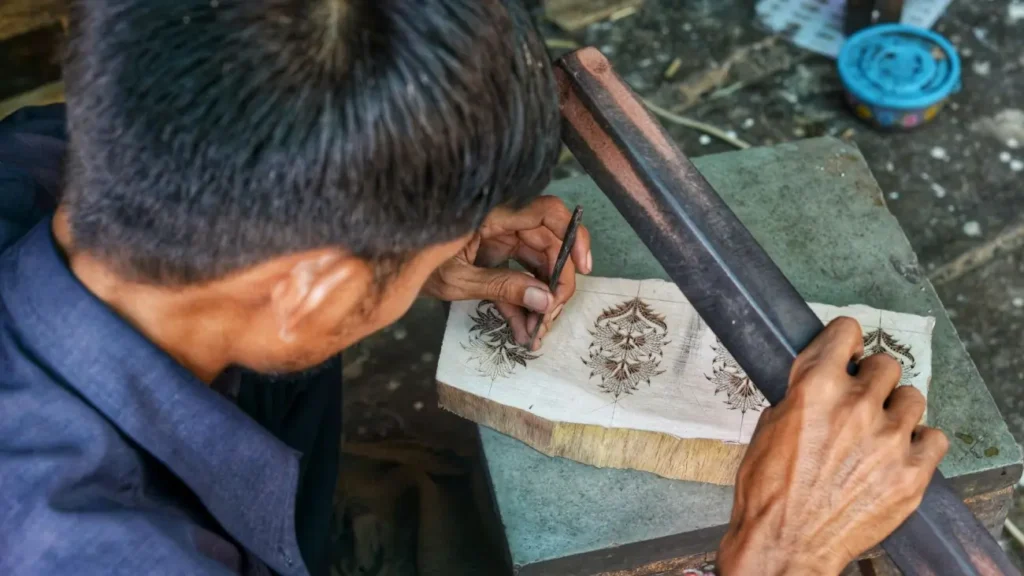
India’s artistic traditions have flourished for centuries and continue to thrive today. Every region is known for unique crafts that showcase exceptional skill and creativity.
Visitors can explore:
- Handwoven textiles and carpets
- Marble inlay work
- Pottery and ceramics
- Wood carving
- Metal crafts
- Traditional paintings
- Embroidery and mirror work
- Jewelry making
Many artisans continue to use techniques that have been preserved for generations, offering travelers an opportunity to witness living traditions firsthand.
Music and Dance: Expressions of Cultural Heritage
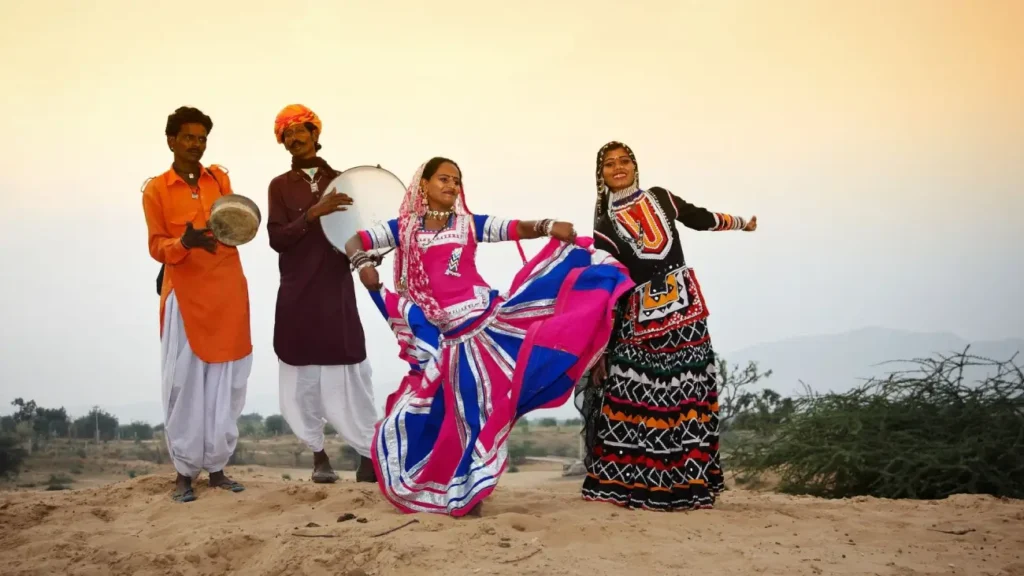
Indian performing arts are among the oldest and most sophisticated in the world. Classical dance forms such as Bharatanatyam, Kathak, Odissi, Kathakali, Kuchipudi, and Manipuri combine storytelling, music, and intricate movements.
Similarly, classical music traditions, including Hindustani and Carnatic music, have influenced global artistic communities for centuries.
Folk music and dance vary widely across regions, reflecting local customs, agricultural traditions, and community celebrations. These performances provide valuable insight into India’s cultural diversity and artistic excellence.
Spirituality and Religious Harmony
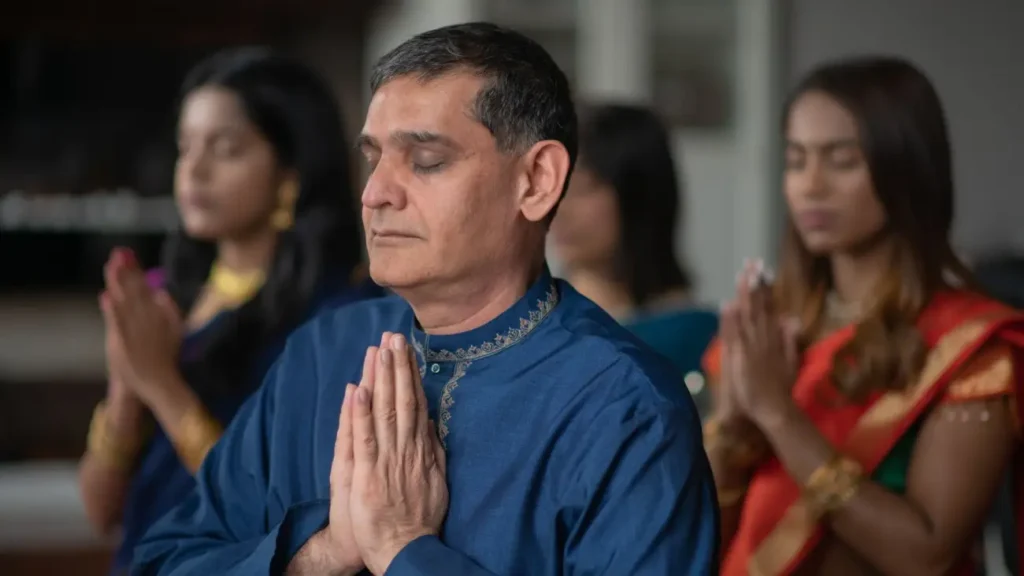
India is the birthplace of several major religions and remains a global center for spirituality. Hinduism, Buddhism, Jainism, and Sikhism originated here, while Islam, Christianity, Judaism, and Zoroastrianism have also flourished for centuries.
Travelers can visit magnificent temples, mosques, churches, monasteries, gurudwaras, and spiritual centers throughout the country. These sacred sites not only serve religious purposes but also preserve centuries of history, architecture, and cultural traditions.
The coexistence of diverse faiths contributes significantly to India’s unique cultural identity.
Architecture: A Testament to India’s Rich Past
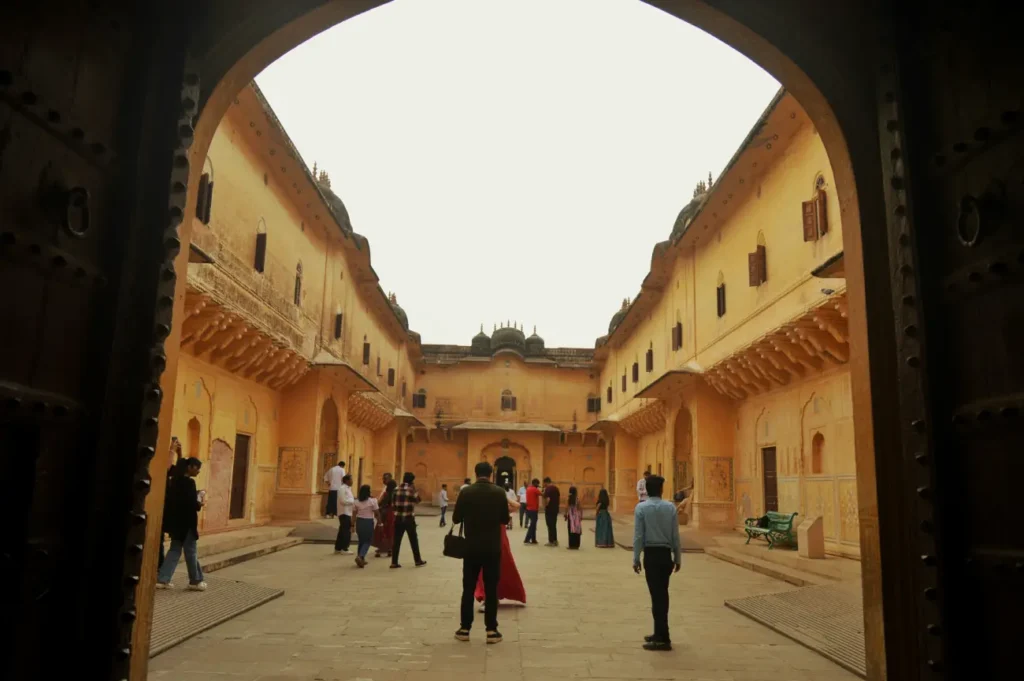
India’s architectural heritage spans thousands of years and reflects the influence of numerous civilizations and dynasties.
From ancient cave temples and majestic forts to royal palaces and colonial-era structures, India’s monuments tell the story of its remarkable past.
The architectural diversity includes:
- Magnificent Mughal monuments
- Ancient Hindu and Jain temples
- Buddhist stupas and monasteries
- Rajput forts and palaces
- Colonial architecture
- Modern cultural landmarks
Each structure offers valuable insights into the artistic, religious, and political history of the region.
Village Life and Local Traditions
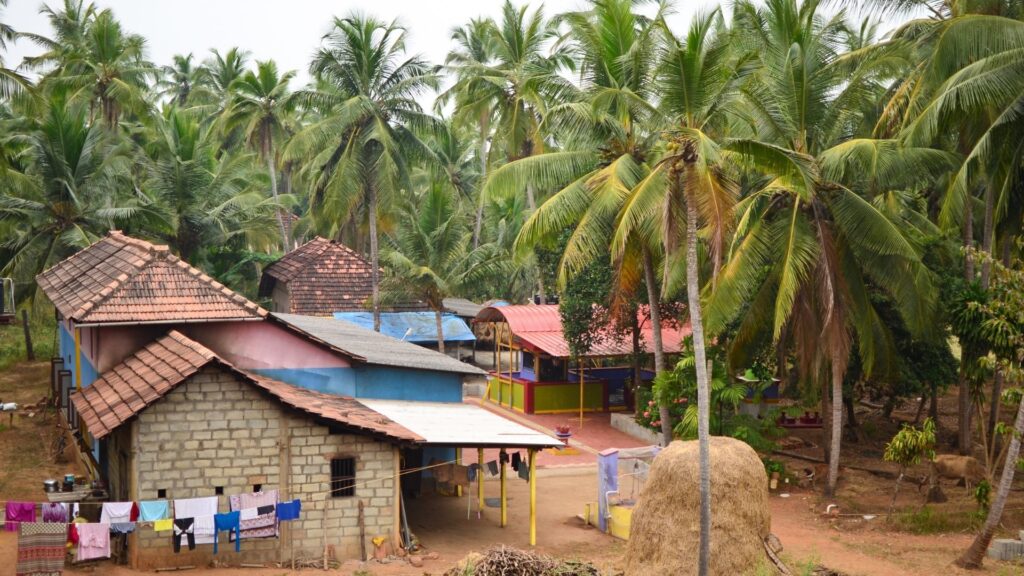
While India’s cities showcase modern development and urban lifestyles, its villages continue to preserve many traditional customs, cultural practices, and community values that have been passed down through generations. India is home to more than 600,000 villages, making rural life an important part of the country’s cultural identity.
Village life is often characterized by simplicity, strong family bonds, close-knit communities, and a deep connection to nature. Agriculture remains the primary occupation in many regions, and daily life revolves around farming, local markets, traditional crafts, and seasonal festivals. Rural communities continue to celebrate age-old customs, folk traditions, and harvest festivals that reflect India’s rich cultural heritage.
For many international travelers, exploring rural India is one of the most authentic ways to experience the country. Village tourism has become increasingly popular among visitors who wish to go beyond famous monuments and immerse themselves in local culture.
Visitors often enjoy:
- Interacting with local families and villagers
- Sharing traditional home-cooked meals
- Exploring village markets and farms
- Learning about indigenous crafts and handicrafts
- Watching folk music and dance performances
- Participating in local festivals and celebrations
- Experiencing traditional farming and rural lifestyles
Many villages are known for their unique handicrafts such as pottery, weaving, embroidery, block printing, wood carving, and metalwork, allowing travelers to witness centuries-old skills still practiced today.
One of the most memorable aspects of village tours is the warm hospitality offered by local communities. Guests are often welcomed into homes, invited to enjoy regional cuisine, and encouraged to learn about local traditions and daily life. These genuine interactions provide a deeper understanding of India’s cultural roots and community values.
For travelers seeking authentic experiences, India’s villages offer a refreshing contrast to busy city life and provide a unique opportunity to discover the country’s true cultural soul.
Cultural Tourism in India
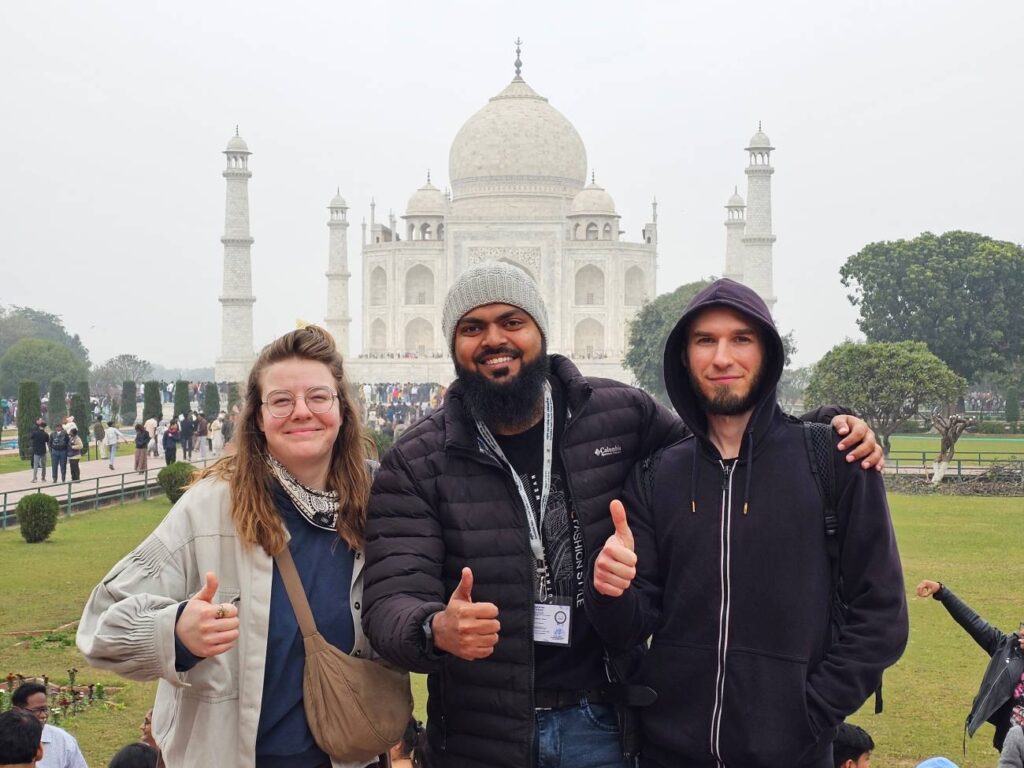
India offers countless opportunities for cultural tourism. Travelers can participate in heritage walks, attend local festivals, learn traditional cooking techniques, witness artisan workshops, and explore historical landmarks.
Whether it is the royal heritage of Rajasthan, the spiritual atmosphere of Varanasi, the artistic traditions of West Bengal, the temple culture of Tamil Nadu, or the Mughal legacy of Agra, every destination contributes to the larger story of India’s cultural richness.
Discover India’s Cultural Treasures with Agra Trip Packages
At Agra Trip Packages, we believe that the true beauty of India lies in its people, traditions, and cultural heritage. Our expertly curated tours are designed to provide immersive experiences that go beyond conventional sightseeing. We help travelers connect with local cultures, explore historic landmarks, savor regional cuisines, and participate in authentic traditions that make India truly extraordinary.
Whether you are a history enthusiast, cultural explorer, photographer, spiritual seeker, or first-time visitor, our customized travel experiences ensure that you witness the many colors of Indian culture in the most memorable way.