
Food hygiene in India is one of the most common concerns among foreign tourists planning their first visit to the country. Travelers from the USA, UK, Canada, Australia, and Europe often wonder whether Indian food is safe, how to avoid stomach problems, and what precautions they should take while dining during their India tour.
The good news is that India has a massive hospitality and tourism industry that caters to millions of international visitors every year. From luxury hotels and fine dining restaurants to curated food tours and international cafes, tourists today have access to safe and hygienic dining experiences across most major tourist destinations.
Like any international destination, the key lies in making informed choices and following basic travel precautions.
India is famous for its rich culinary diversity, spices, regional dishes, vegetarian cuisine, street food culture, and hospitality. For many travelers, Indian food becomes one of the highlights of their journey.
In this guide, we explain everything foreign tourists should know about food hygiene, bottled water, restaurants, street food, dietary preferences, and dining safely while traveling in India.
Is Food in India Safe for Foreign Tourists?
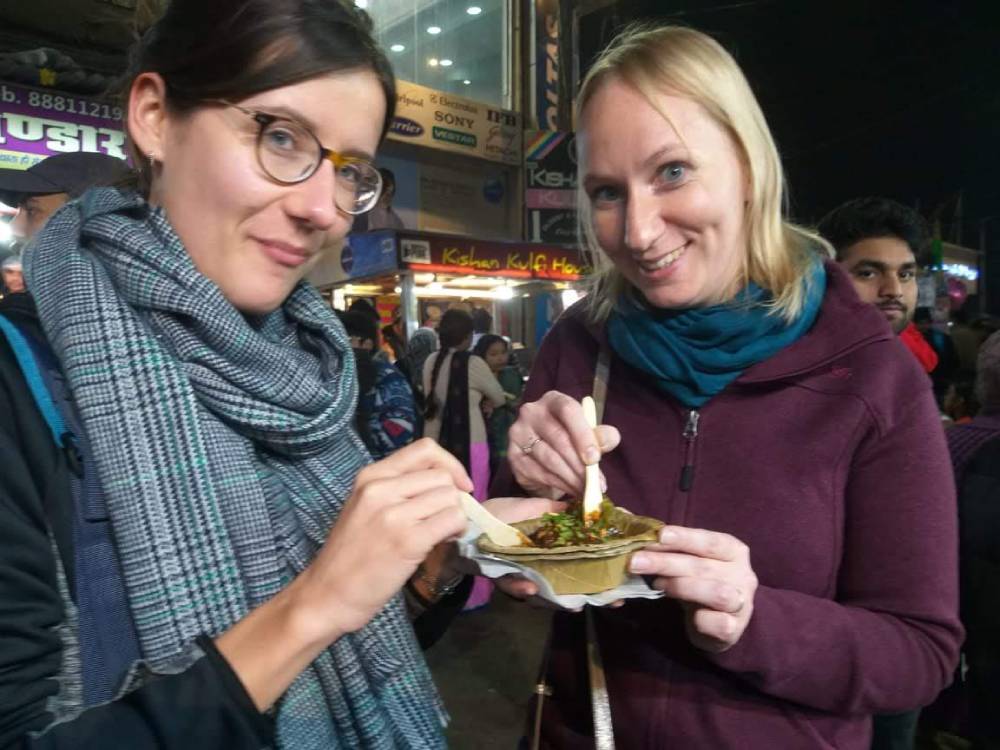
Yes, food in India is generally safe for foreign tourists when consumed from reputable restaurants, hotels, cafes, and organized food establishments.
Most international tourists traveling through cities like Delhi, Agra, Jaipur, Mumbai, Goa, Bengaluru, Udaipur, and Kerala enjoy Indian cuisine without major issues.
However, travelers should understand that:
- India has different food habits and spices compared to Western countries
- Tap water is generally not recommended for tourists
- Street food hygiene varies significantly
- Sudden dietary changes can sometimes affect digestion
Choosing clean and professionally managed dining places significantly reduces risks.
Why Some Tourists Experience Stomach Issues in India
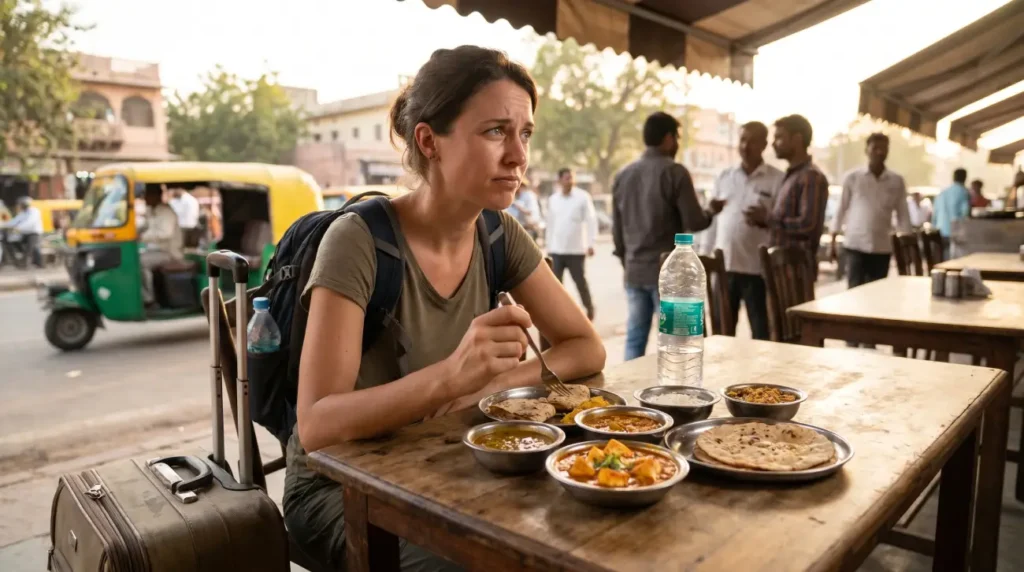
One important thing to understand is that stomach discomfort is not always caused by “unsafe food.”
Sometimes it happens because of:
- Sudden exposure to Indian spices
- Different cooking oils
- Climate changes
- Dehydration
- Jet lag
- Overeating rich food
- Sensitive digestion during travel
Many tourists try too many spicy dishes within a short period, which can overwhelm the digestive system.
Moderation is important during the first few days of travel.
Safe Dining Tips for Foreign Tourists in India

1. Drink Only Bottled or Filtered Water
This is the most important travel precaution in India.
Tourists should:
- Drink sealed bottled water
- Check bottle seals before opening
- Use filtered water in reputed hotels
- Avoid tap water
- Avoid ice from unknown vendors
Most hotels, restaurants, and private tours provide packaged drinking water for tourists.
2. Choose Reputed Restaurants and Hotels
Dining at clean and well-reviewed restaurants is the safest option.
Good indicators include:
- Strong Google reviews
- Busy restaurants with high turnover
- Hygienic kitchens
- Professional staff
- Freshly cooked meals
Luxury hotels and established restaurants in India maintain international hygiene standards.
3. Be Careful with Street Food
India’s street food culture is world famous, but tourists should be selective.
Street food can be safe when:
- Prepared fresh in front of you
- Served hot
- Cooked at busy stalls with regular customers
- Recommended by local guides
Avoid:
- Raw chutneys from unknown places
- Uncovered food sitting for long periods
- Cut fruits exposed to dust and flies
Food tours with local guides are a safer way to experience authentic Indian street food.
4. Start with Mild Indian Dishes
Indian cuisine varies from mild to extremely spicy.
During the first few days:
- Choose mild curries
- Avoid excessive chili
- Try simple North Indian meals
- Eat smaller portions initially
Popular beginner-friendly dishes include:
- Butter Chicken
- Dal Tadka
- Naan
- Biryani
- Paneer dishes
- Tandoori items
Your body gradually adapts to Indian spices.
5. Wash Hands Frequently
Hand hygiene is extremely important while traveling anywhere.
Carry:
- Hand sanitizer
- Wet wipes
- Tissues
Wash hands before meals, especially after sightseeing, shopping, or using public transport.
6. Inform Restaurants About Allergies or Dietary Restrictions
India is very accommodating for:
- Vegetarian diets
- Vegan diets
- Gluten-free requests
- Nut allergies
- Halal food
- Jain food preferences
Most good restaurants understand international dietary requirements.
Communicate clearly about allergies before ordering.
7. Avoid Raw Salads at Unverified Places
Raw vegetables washed in untreated water can sometimes cause stomach problems.
It is safer to:
- Eat cooked food
- Consume salads only at reputed hotels/restaurants
- Peel fruits yourself when possible
Freshly cooked hot meals are generally safer for tourists.
8. Do Not Overeat During the First Days
Indian food is flavorful and rich, but overeating can lead to discomfort for travelers unfamiliar with the cuisine.
Take time to adjust gradually.
Eat:
- Smaller meals
- Light breakfasts
- Hydrating foods
- Yogurt-based dishes for digestion
Food Hygiene Standards in Indian Hotels
Most 4-star and 5-star hotels in India maintain very high hygiene standards.
These hotels usually provide:
- Purified water
- Sanitized kitchens
- International cuisine options
- Hygienic food preparation
- Trained hospitality staff
Luxury hotels catering to foreign tourists are generally very reliable.
Vegetarian and Vegan Food in India
India is one of the most vegetarian-friendly countries in the world.
Tourists from the USA, UK, Canada, and Australia often find:
- Large vegetarian menus
- Vegan cafes
- Organic restaurants
- Healthy meal options
- Ayurvedic food experiences
Many Indian vegetarian dishes are nutritious, flavorful, and freshly prepared.
Is Street Food in India Always Unsafe?
No. Street food in India is not automatically unsafe.
Many famous food streets and local vendors serve delicious and hygienic food daily to thousands of customers.
The key is:
- Choosing busy vendors
- Eating freshly cooked items
- Avoiding unhygienic stalls
- Going with local recommendations
Cities like Delhi, Jaipur, Mumbai, Lucknow, and Amritsar are famous for organized food experiences and guided food walks.
Should Tourists Carry Medicines?
It is recommended to carry basic travel medicines such as:
- Digestive tablets
- Electrolyte powders
- Motion sickness medicine
- Prescribed medications
- Basic first aid supplies
However, pharmacies are easily available in most Indian cities.
Food Delivery and International Food Chains in India
India also has:
- McDonald’s
- Starbucks
- Subway
- KFC
- Pizza Hut
- International cafes and bakeries
Food delivery apps are widely used in urban areas, giving tourists easy access to hygienic meal options.
Best Indian Foods Foreign Tourists Should Try
Some tourist-friendly Indian dishes include:
- Butter Chicken
- Chicken Tikka
- Dal Makhani
- Garlic Naan
- Tandoori Chicken
- Paneer Butter Masala
- Masala Chai
- Mango Lassi
- Hyderabadi Biryani
Tourists should try regional specialties while maintaining moderation.
Final Thoughts
Food is one of the most exciting parts of traveling in India. The country offers an incredible culinary experience filled with flavor, culture, tradition, and diversity.
While concerns about food hygiene are understandable for first-time visitors, most travelers enjoy Indian cuisine safely by following simple precautions.
The best approach is:
- Drink safe water
- Choose hygienic restaurants
- Eat freshly cooked meals
- Avoid overexposure to spicy food initially
- Travel with trusted tour operators and guides
With smart planning, foreign tourists from the USA, UK, Canada, Australia, and Europe can comfortably enjoy India’s extraordinary food culture while staying healthy and safe throughout their journey.