The royal cenotaphs
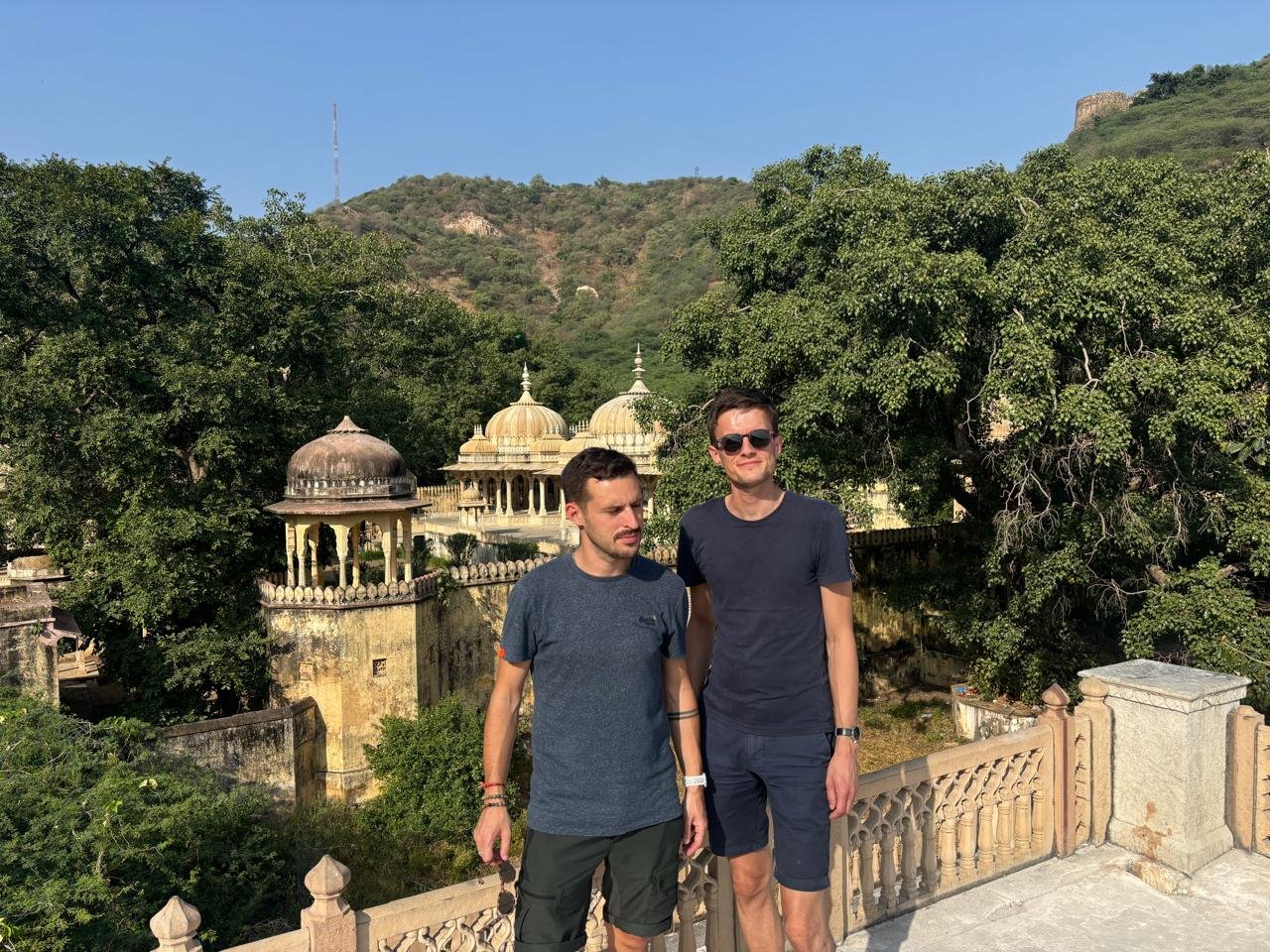
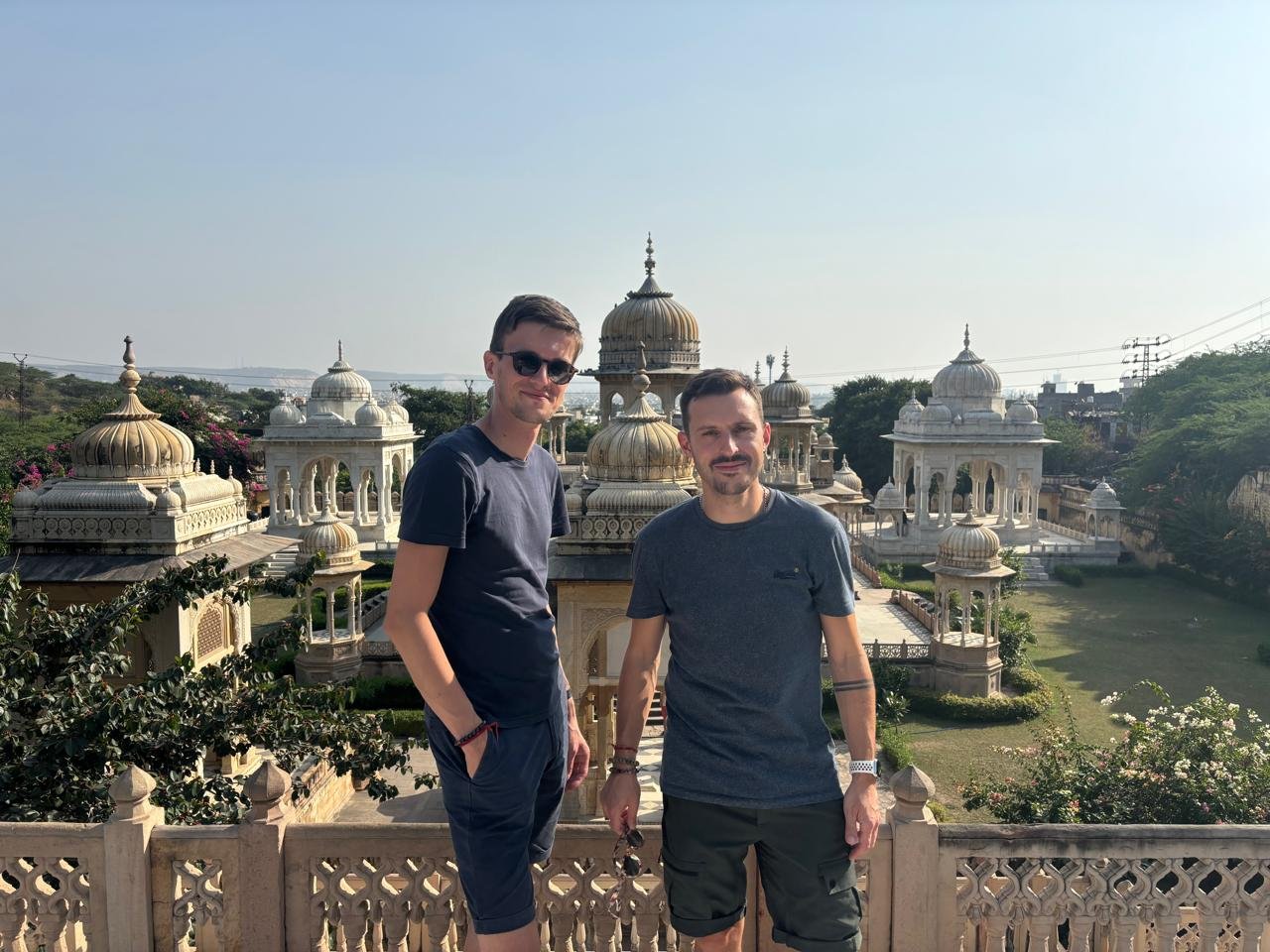
Gatore Ki Chhatriyan lies in a small, walled valley at the foot of the Nahargarh hills, just north of Jaipur’s old city. This is where the Kachhwaha Maharajas of Jaipur were cremated, and over each cremation site stands a chhatri, a domed, open pavilion on carved pillars that serves as a memorial (it isn’t a tomb, as Hindus are cremated). The result is a peaceful courtyard of white marble and pale sandstone memorials, each finer than the last, with Nahargarh’s walls on the ridge above.
History
The site was chosen after Sawai Jai Singh II founded Jaipur in 1727. His own chhatri, built after his death in 1743, is the grandest: a white marble pavilion on twenty carved pillars, decorated with scenes from Hindu mythology. The cenotaphs of later rulers, including Sawai Madho Singh II and Sawai Pratap Singh, stand around it, built in styles that mix Rajput and Mughal forms. The royal women have their own memorials at Maharani ki Chhatri, on the road to Amber.
What it’s like to visit
Few tourists come here, so it’s usually quiet, with only birds, a few visitors and the occasional photographer. Walk between the chhatris to see the carved friezes of dancers, musicians, elephants and gods on the pillars and domes, and the delicate marble lattice. Peacocks sometimes wander through the courtyards. The rocky hills and the walls of Nahargarh above make a dramatic backdrop, especially in the warm light of late afternoon. Allow 30–45 minutes.
Photography
- Late afternoon light brings out the carving on the marble.
- Frame the chhatris against the hills and Nahargarh’s walls.
- It’s a place of remembrance, so please be respectful.
Plan your visit
Gatore Ki Chhatriyan is on the road up towards Nahargarh Fort, so it combines naturally with a sunset visit there. It’s also on the way to Jal Mahal and Amber Fort. Read our Rajasthan travel guide for more.