Ranthambore Fort sits on a high, flat-topped hill in the middle of Ranthambore National Park, its walls running for kilometres along the cliff edges. It’s traditionally said to have been founded in the 10th century by Chauhan Rajputs, and it guarded the route between northern and central India. Today, the forest that surrounds it is better known for its tigers, but the fort is one of the most atmospheric in Rajasthan, and part of the Hill Forts of Rajasthan UNESCO World Heritage Site, inscribed in 2013.
History
The fort’s most famous ruler was Hammir Dev Chauhan, who held out against Sultan Alauddin Khilji of Delhi in a long siege before it fell in 1301. Later it passed to the rulers of Mewar, then to the Mughals under Akbar in 1569, and finally to the Maharajas of Jaipur, who used the surrounding forest as a royal hunting ground.
What it’s like to visit
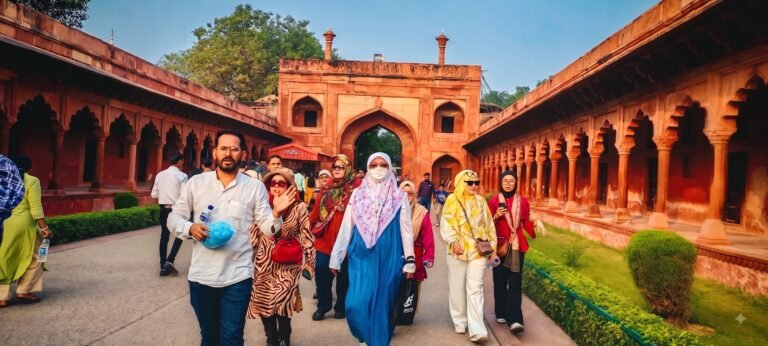
From the road near the park entrance, a path climbs through a series of massive gateways to the plateau, about a 20–30 minute walk up steps. On top, you’ll find ruined palaces, pavilions, step-tanks and lakes, small Hindu and Jain temples, and the remains of the Hammir palace and Badal Mahal. Langur monkeys leap along the walls, and from the ramparts the views over the forest, lakes and hills are wonderful, especially in the late afternoon.
The heart of the fort for most Indian visitors is the Trinetra Ganesh Temple, a shrine to a three-eyed Ganesh. Devotees from all over India send letters and wedding invitations here, addressed to Lord Ganesh, asking for his blessing; on Wednesdays and during Ganesh Chaturthi, it’s crowded with pilgrims. Allow 1.5–2 hours.
Wildlife on the way
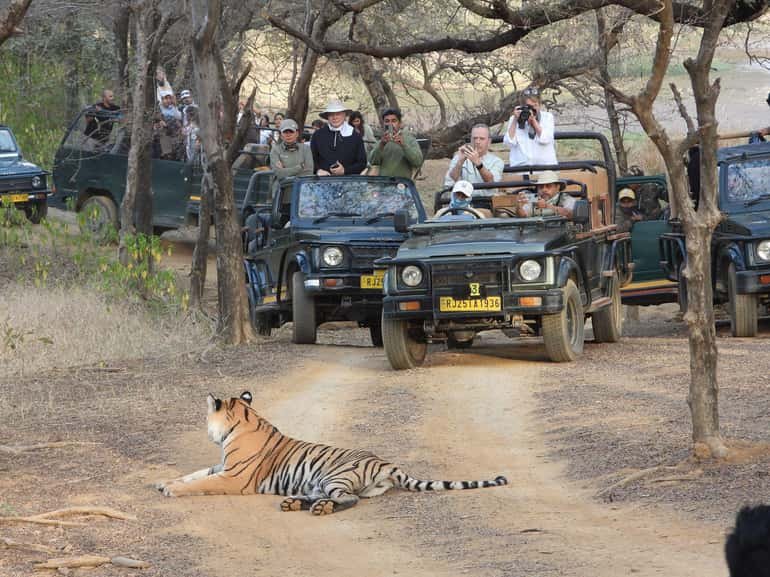
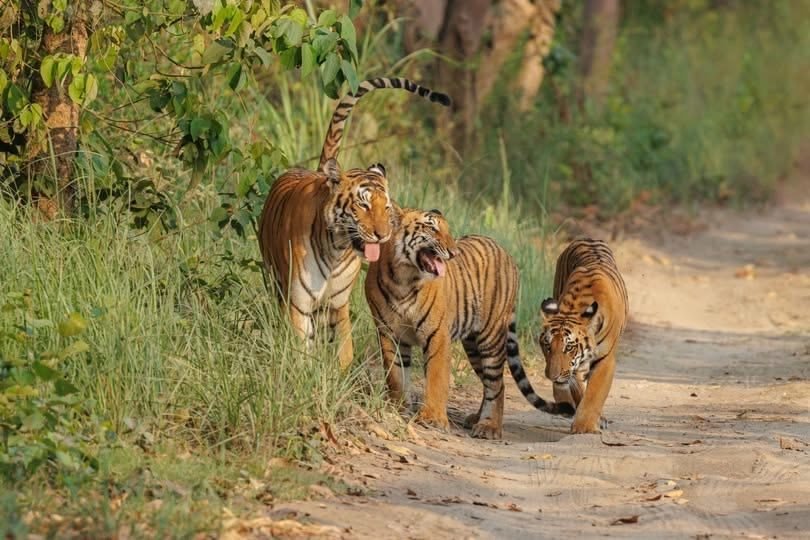
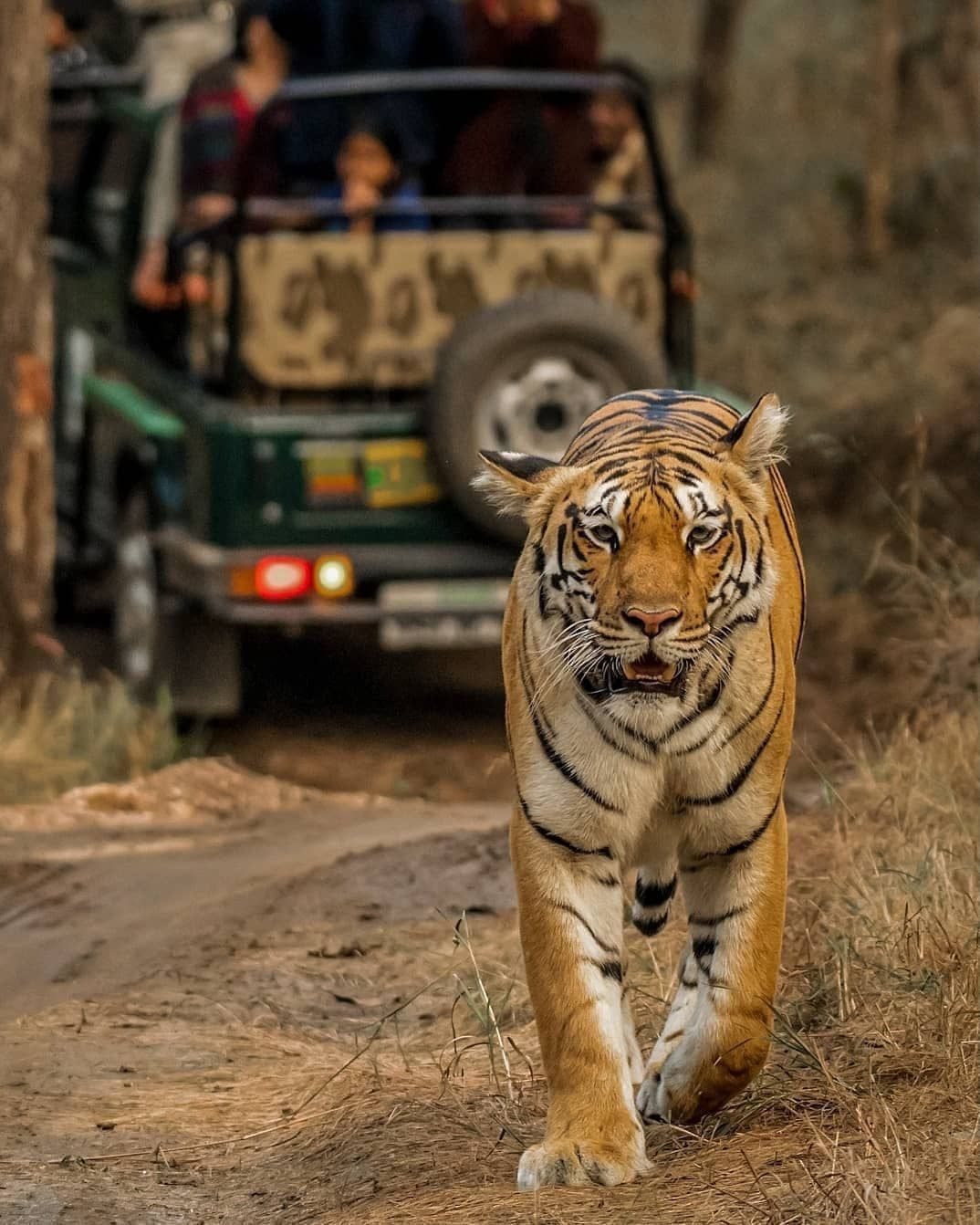
The fort road passes through the park, so you may see deer, peacocks, langurs and, very occasionally, a tiger or leopard. Stay on the paths and follow guards’ instructions.
Plan your visit
Visit the fort between safaris in Ranthambore National Park, ideally in the late afternoon after a morning game drive. See our tiger safari page and Rajasthan travel guide.