The arch
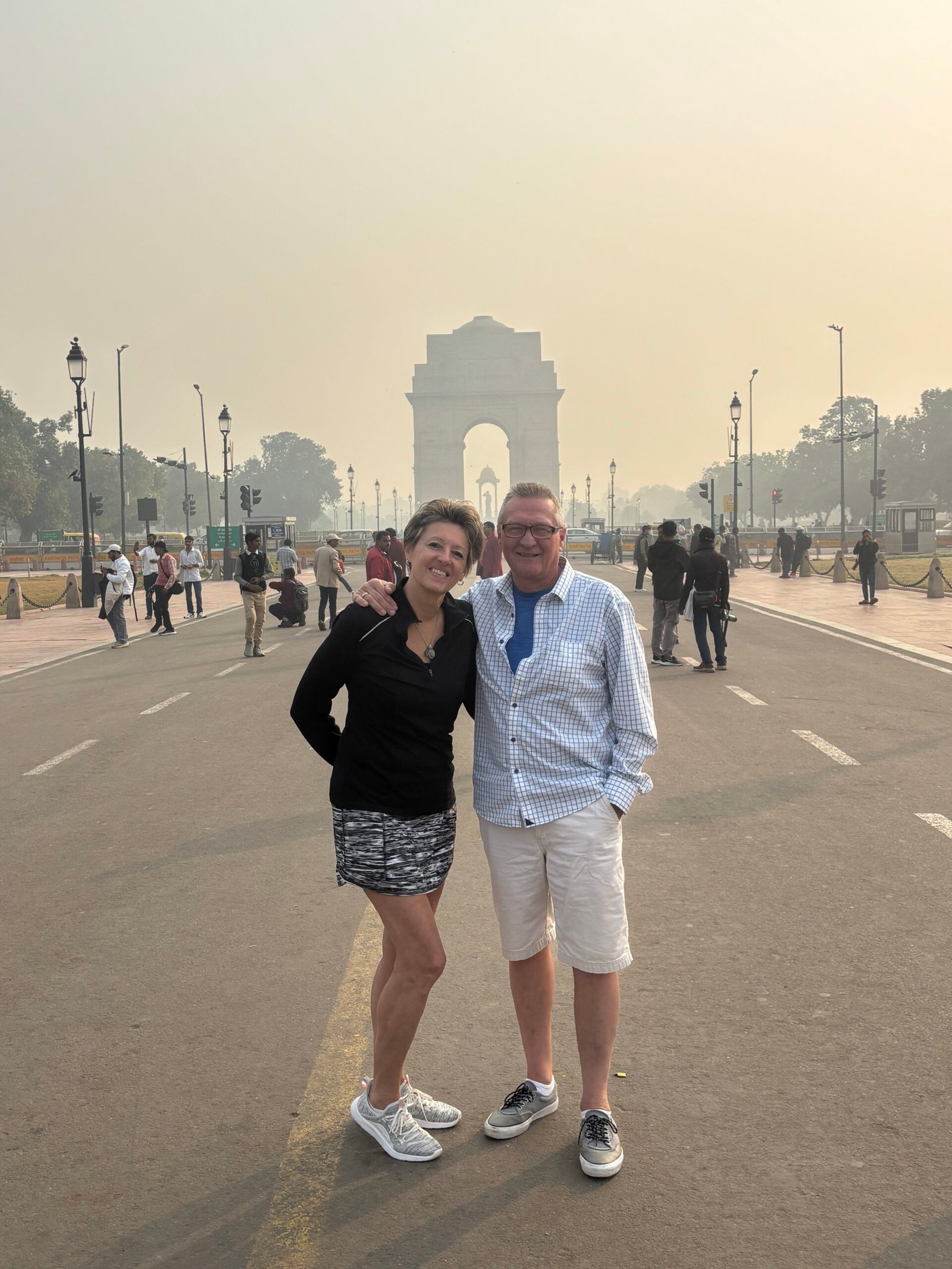
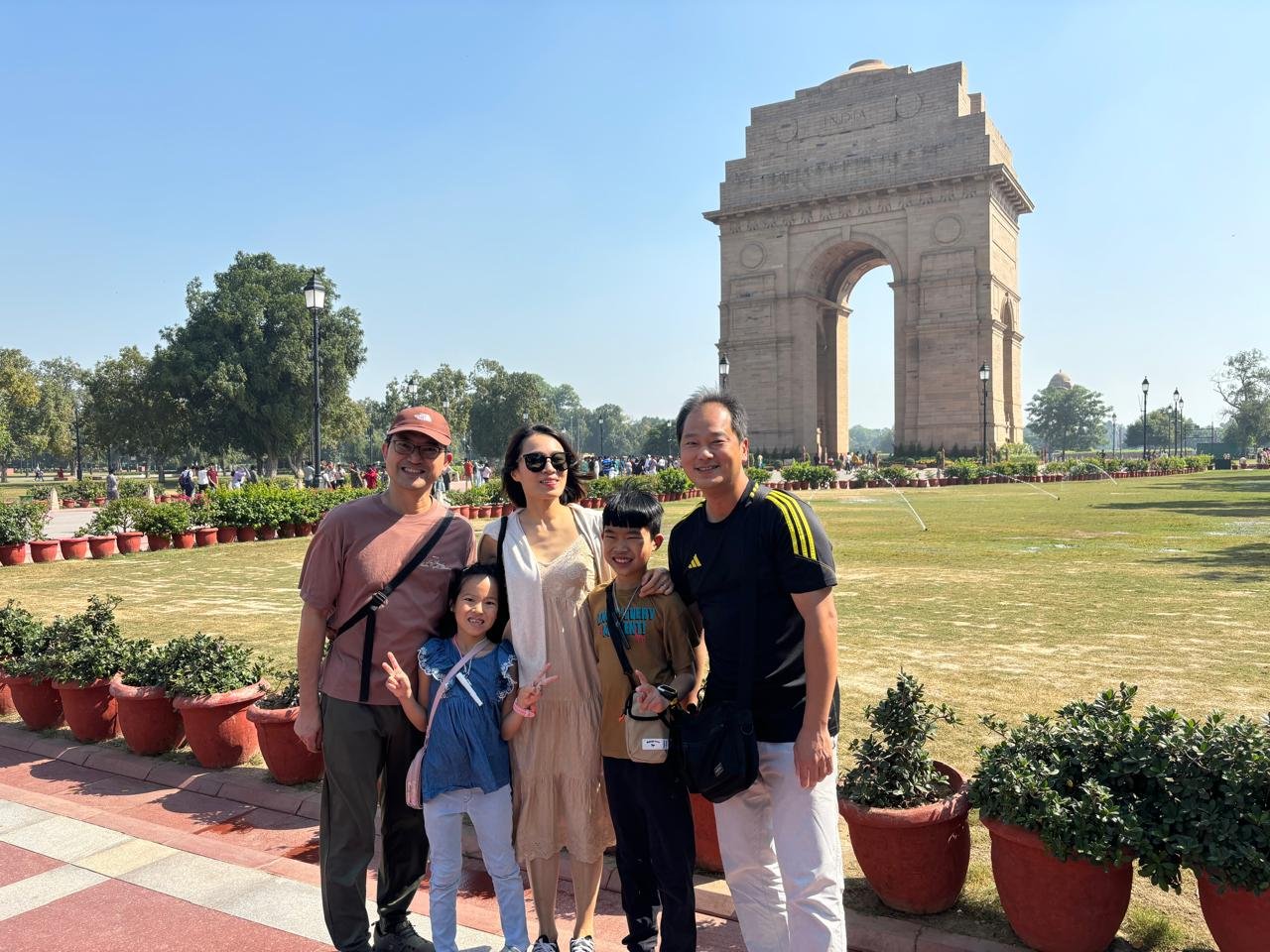
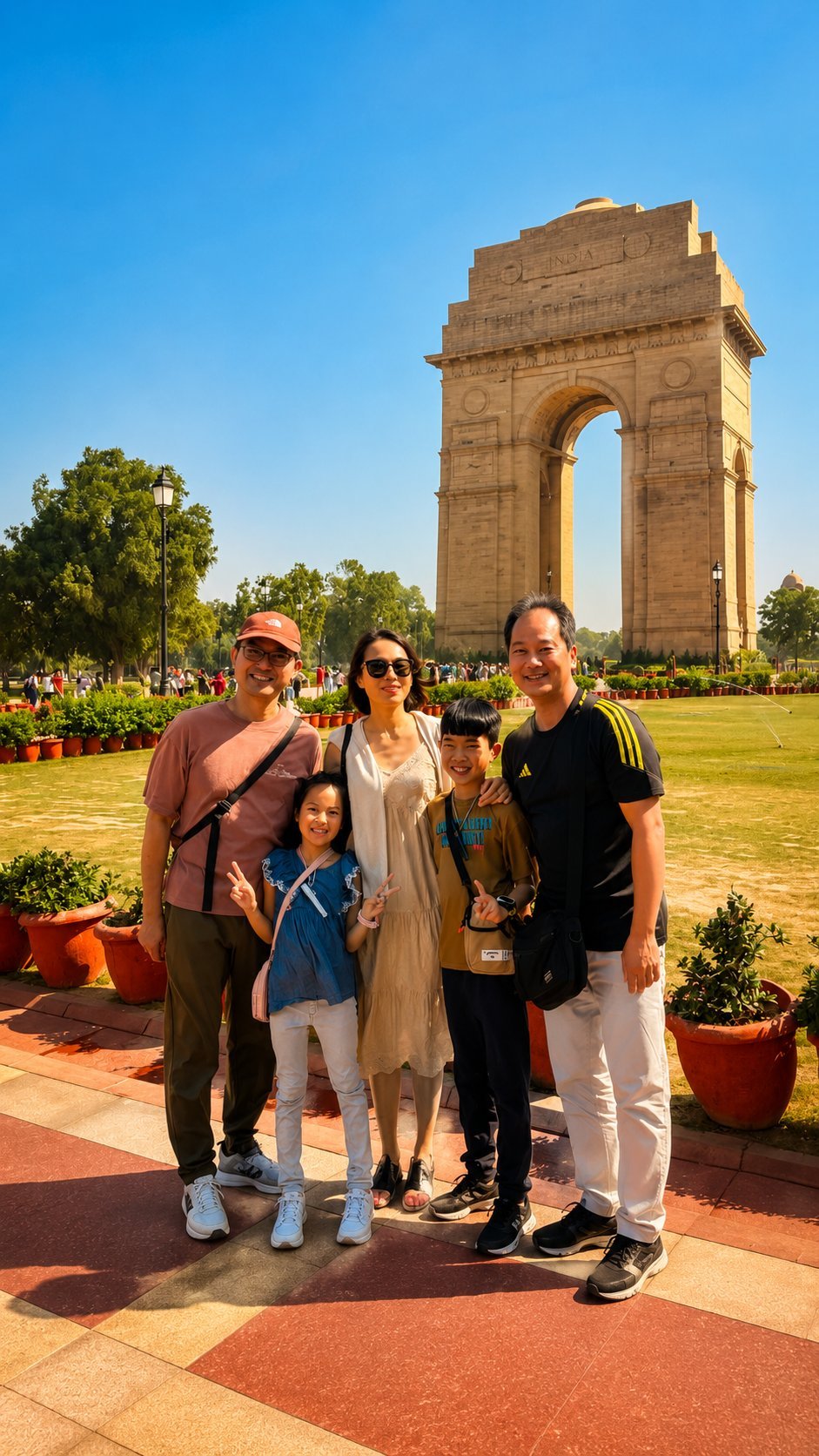
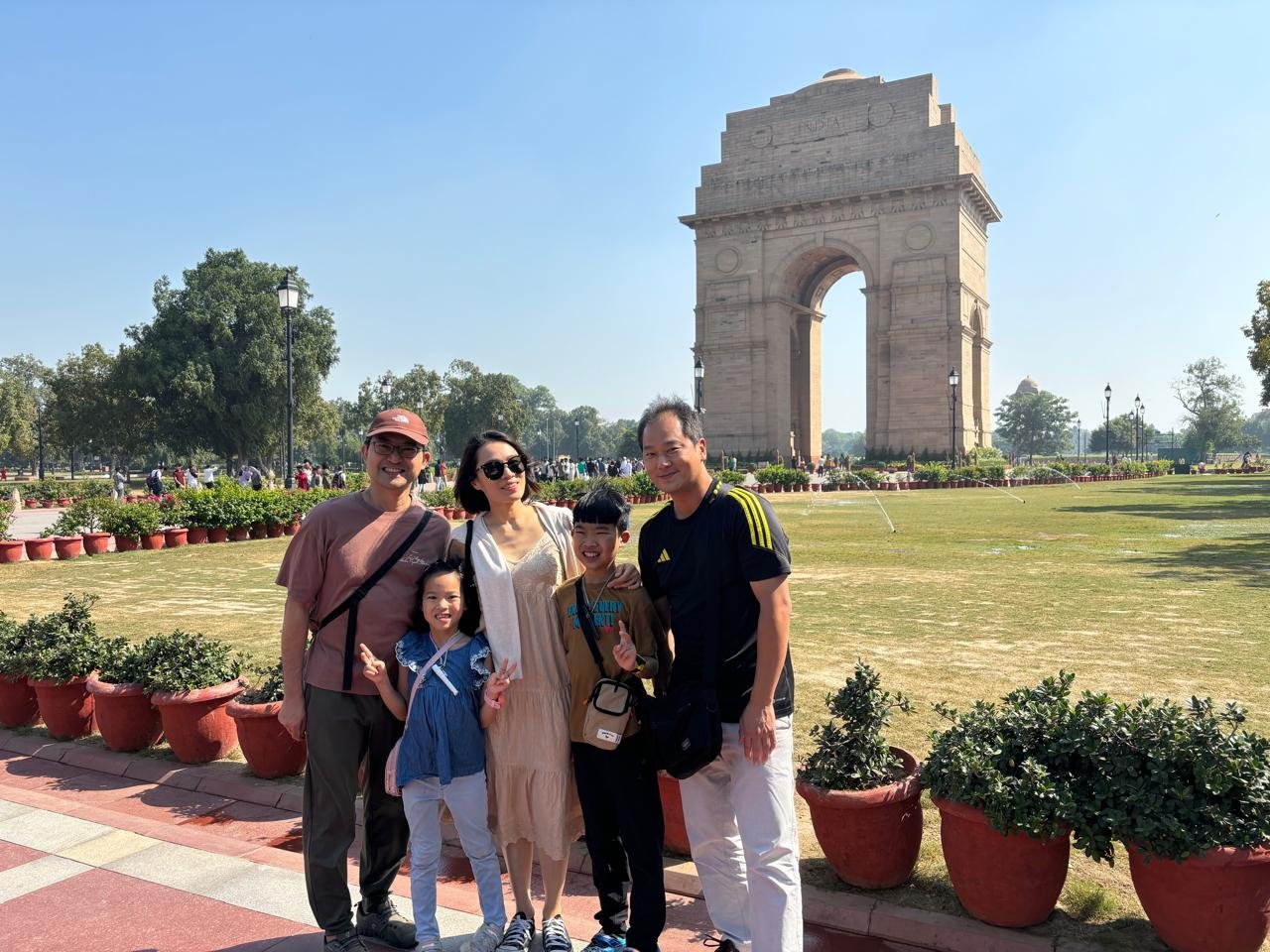
India Gate is a 42-metre sandstone arch at the eastern end of Kartavya Path, the grand avenue at the centre of New Delhi. Designed by Sir Edwin Lutyens, the architect of the new imperial capital, it was built between 1921 and 1931 as the All India War Memorial. Its walls carry the names of more than 13,000 soldiers of the British Indian Army who died in the First World War and the Third Anglo-Afghan War. The word INDIA is carved across the top, with the years of the war.
From Amar Jawan Jyoti to the National War Memorial
In 1972, after the war of 1971, an eternal flame, the Amar Jawan Jyoti, was lit beneath the arch to honour the unknown soldier. In January 2022 the flame was merged with the one at the National War Memorial, opened in 2019 just east of India Gate. Built as concentric circles, the memorial records the names of Indian soldiers who have died in conflicts since independence, around a central obelisk and eternal flame. Entry is free, and it’s moving to walk through in the evening when the names are lit.
The empty sandstone canopy east of the arch, built for a statue of King George V, now holds a granite statue of Netaji Subhas Chandra Bose, unveiled in 2022.
Kartavya Path and the Central Vista
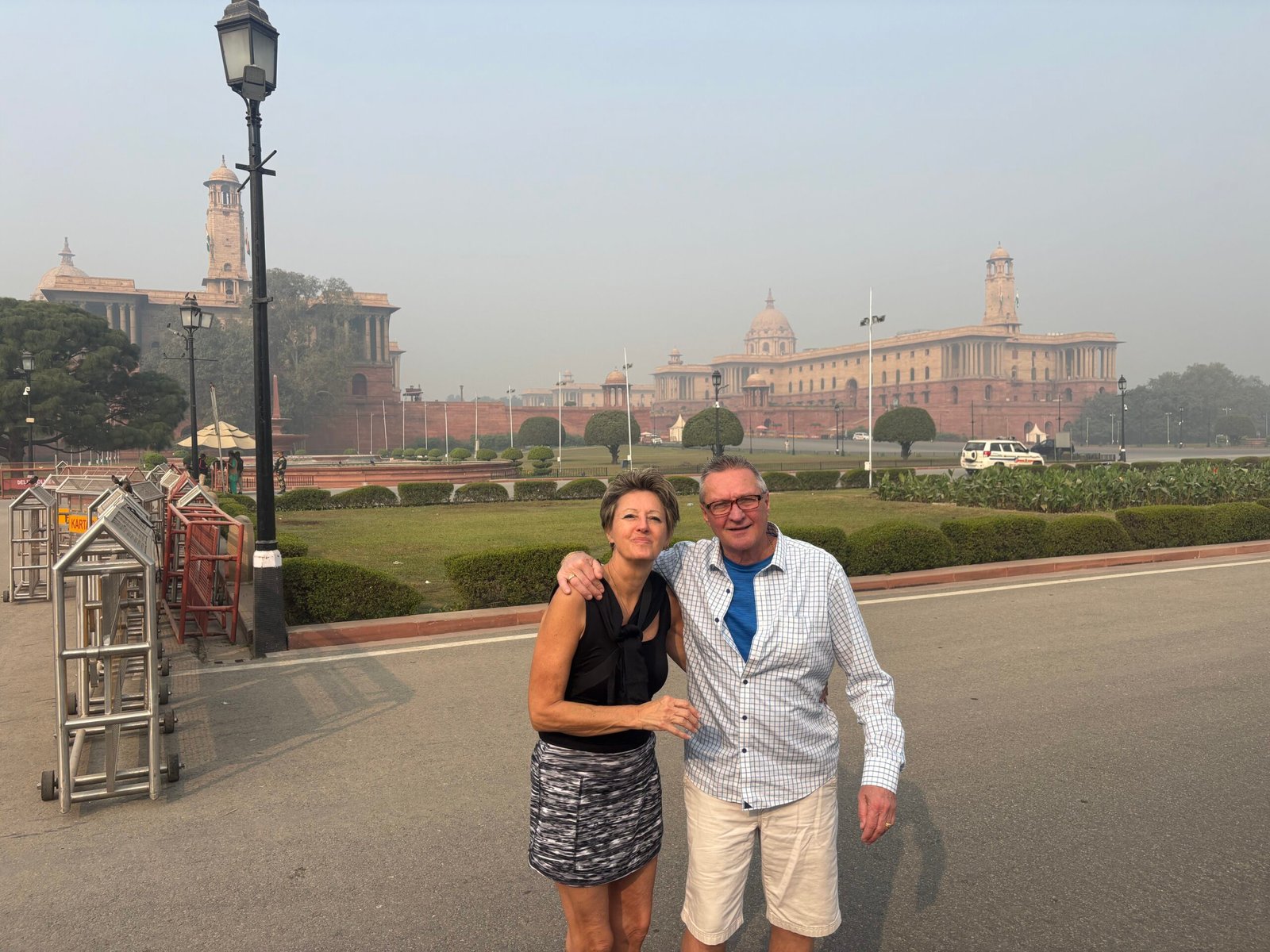
West of India Gate, Kartavya Path (called Rajpath until 2022) runs about 3 km, past lawns, canals and rows of trees, up Raisina Hill. At the top stand the domed Rashtrapati Bhavan, the President’s residence, and the twin North and South Blocks of the government secretariat, all part of Lutyens’s plan. The square in front of them is Vijay Chowk.
This is the stage for two of India’s great ceremonies. On 26 January, the Republic Day parade marches down Kartavya Path past the President, with regiments, camels, tableaux from every state and a fly-past. On 29 January, the Beating Retreat ceremony at Vijay Chowk closes the celebrations with massed military bands at sunset. Both need passes, and the area is closed to visitors for rehearsals in the weeks before.
What it’s like to visit
India Gate is an open public space, free and accessible at any time. Delhi families come in the evening to walk the lawns, buy ice cream and balloons and watch the arch glow when it’s lit after dark. A short drive along Kartavya Path to Vijay Chowk gives a fine view of Rashtrapati Bhavan; cars can stop only briefly. Most visits take 30–45 minutes, or an hour with the War Memorial.
Plan your visit
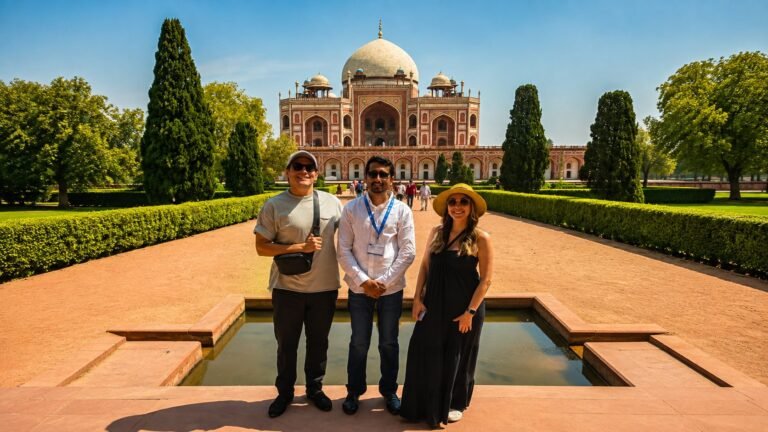
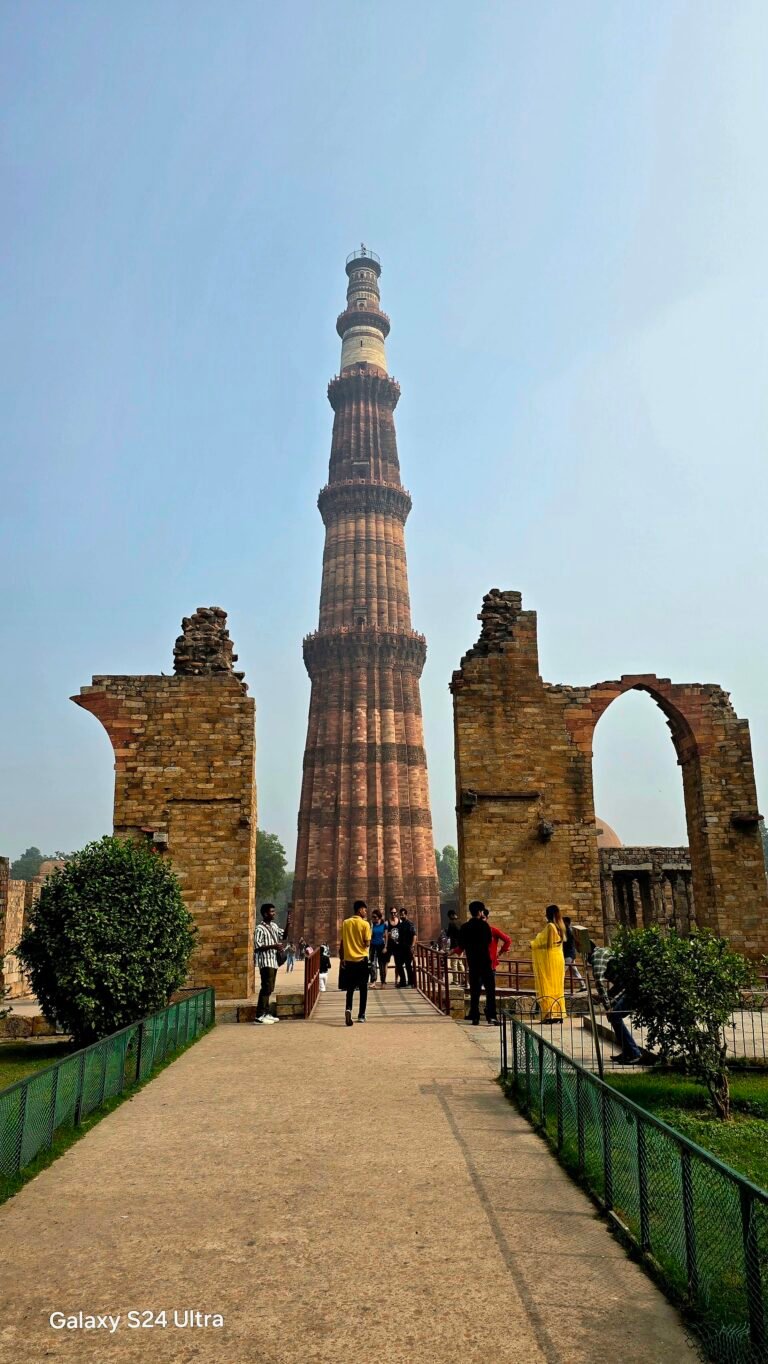
India Gate is the centre of a New Delhi day: combine it with Humayun’s Tomb, Gurudwara Bangla Sahib and Qutub Minar, or come at dusk for the lights. See our Golden Triangle tour guide for more.