
Every year in mid-January, on the festival of Makar Sankranti, Jaipur takes to its rooftops. From sunrise to sunset, families and friends fly thousands of paper kites over the old city, music plays from every terrace, and shouts of “Woh kaata!” ring out as one kite slices another’s string in a friendly battle. Food and sweets are shared on every roof, and as night falls the sky glows with lanterns and fireworks. It is one of the happiest days of the year in Rajasthan.
Makar Sankranti marks the sun’s move into Capricorn and the start of longer days after winter. Across India it is a harvest festival, celebrated with holy dips in rivers, charity and sweets made with sesame and jaggery, but in Rajasthan and Gujarat it is above all the festival of kites. In Jaipur it falls on 14 January, sometimes 15 January, depending on the almanac.
The best way to enjoy it is on a rooftop in the old city, ideally a heritage haveli or a family home, where you can watch the whole sky and try flying a kite yourself with a local to help. You eat til ke laddoo, gajak and hot snacks, drink chai and join in the cheering. In the days before, the kite markets of the old city are packed with stalls selling kites of every size and colour and reels of coated string. In some years Rajasthan Tourism also holds a kite festival with display kites from around the world.
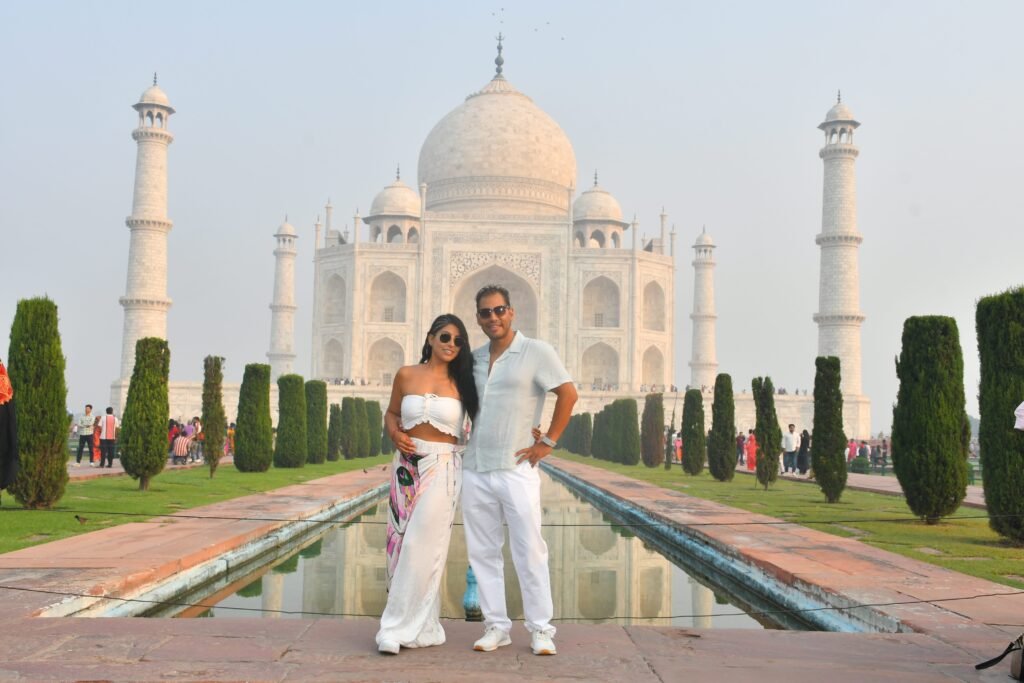
Wear sunglasses and a cap, and use gloves or tape when flying, as kite string can cut fingers. Glass-coated synthetic string is banned because it harms birds, so support the bird-rescue camps set up around the city. Our Jaipur Kite Festival tour puts you on a heritage rooftop for Makar Sankranti, alongside Jaipur’s forts and the Taj Mahal at sunrise.