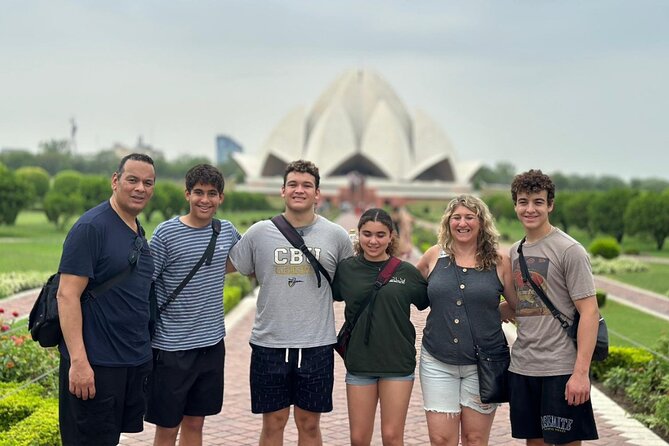
Let’s be honest, mate. Planning your first trip to India from Australia can feel a bit like trying to organise a BBQ for 50 people when you’ve only got a portable camping stove. It’s exciting, sure, but also slightly terrifying. You’ve heard the stories: the sensory overload, the traffic that makes Parramatta Road look like a country lane, and the food that tastes like heaven but might challenge your stomach.
You want the curry, the culture, and the chaos, but you also want to come home in one piece and actually enjoy the holiday.
If you’re staring at a map of India wondering where on earth to begin, put down the highlighter. The answer is the Golden Triangle Tour.
I know, I know. You’re wondering if a “popular tourist circuit” is going to be too commercial or inauthentic. But here’s the best way to understand this route: Imagine a foreigner coming to Australia for the first time. You wouldn’t send them straight to a remote cattle station in the Northern Territory, would you? No. You’d tell them to hit the “Big Three”: Sydney, Melbourne, and Canberra.
The Golden Triangle (Delhi, Agra, and Jaipur) functions exactly the same way. It’s the perfect “sampler pack” for an India tour from Australia. It gives you the political history, the iconic “postcard” moment, and the artistic soul of the country, all in one manageable loop.
Here’s why this circuit is the ultimate introduction to the subcontinent, and how to survive it with your sanity intact.
The “Aussie Parallel”: Decoding the Golden Triangle
Delhi = Canberra (The Power Hub)
Think of Delhi as Canberra on steroids. Like our nation’s capital, Delhi is the seat of power, home to government buildings, wide boulevards, and political history at every corner. But unlike the quiet, orderly ACT, Delhi cranks everything up to eleven.
New Delhi gives you the grand colonial architecture and organised chaos of India Gate and Parliament House. Old Delhi throws you into the deep end with the narrow lanes of Chandni Chowk, where history stretches back to Mughal emperors. It’s the political brain of the country, but with a pulse that never stops racing.
For your first trip to India from Australia, Delhi is the inevitable entry point. Most international flights land here, making it the natural starting point for your Indian adventure. It’s overwhelming at first, but that’s part of the charm.
Agra = Sydney (The “Postcard” Icon)
Just as you can’t visit Australia without seeing the Opera House, you can’t do an India tour from Australia without the Taj Mahal. Full stop.
Agra is essentially a town built around one massive celebrity monument. The Taj Mahal is the Instagram moment that proves you were there, the postcard shot that every first-timer needs. And yes, it absolutely lives up to the hype. No photo, no matter how many times you’ve seen it, prepares you for standing in front of that white marble masterpiece as the sun rises.
Sure, Sydney has more to offer than just the Harbour, and Agra has the Agra Fort and other sights. But let’s be real: you’re going for the Taj, and that’s perfectly fine.
Jaipur = Melbourne (The Cultural Soul)
If Delhi is the political powerhouse and Agra is the celebrity icon, then Jaipur is the artsy, vibrant cousin that steals your heart. This is the Melbourne of India.
Known as the Pink City for its rose-colored buildings, Jaipur is where you go for aesthetics, crafts, and cultural immersion. Instead of Melbourne’s laneways and flat whites, you’ve got bustling bazaars selling block-printed textiles and ornate palaces that look like they’ve been lifted from a fairy tale. The Amber Fort alone is worth the trip, and the shopping opportunities will have you rethinking your luggage allowance.
This is where the color and culture of India truly pop. If you’re the type who loves Melbourne’s creative energy, Jaipur will be your favorite stop on the Golden Triangle.
The Perfect 7-Day Golden Triangle Itinerary for First-Timers
Days 1-2: Delhi – Easing into the Chaos
Start your Golden Triangle itinerary for first-timers in New Delhi. Begin with India Gate and the wide avenues of Lutyens’ Delhi to acclimatize before diving into the sensory assault of Old Delhi.
Spend your second day exploring Chandni Chowk, one of the oldest markets in India. The narrow lanes, street food stalls, and rickshaw chaos can be intense, but it’s an essential experience. Visit Jama Masjid, one of India’s largest mosques, and if you’re feeling adventurous, try some street food (from busy vendors—more on that later).
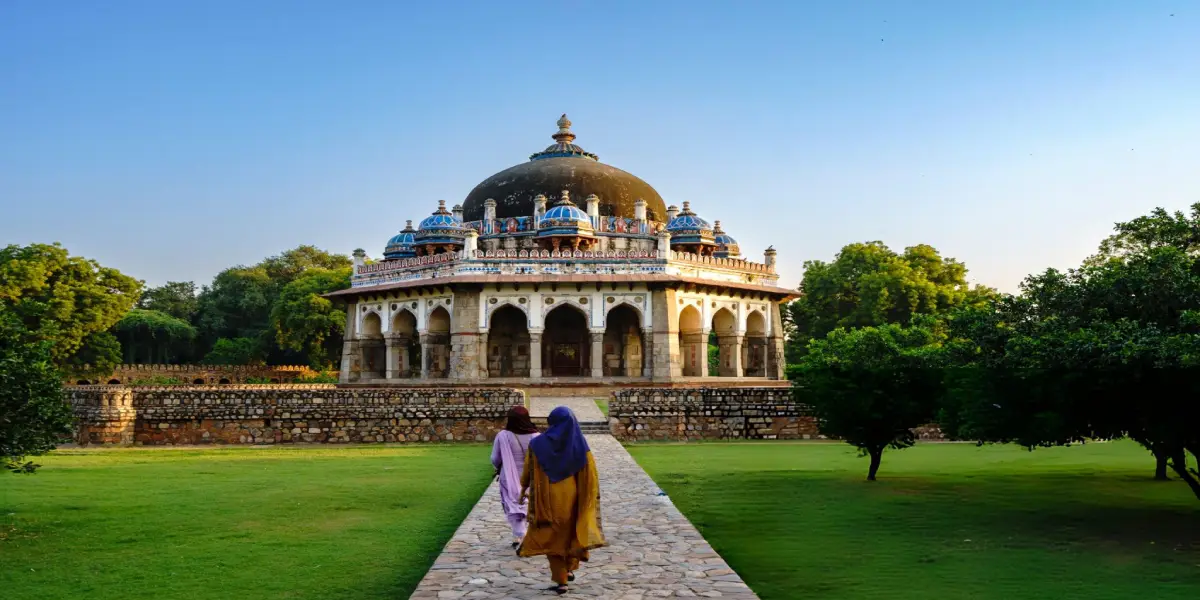
Don’t skip Humayun’s Tomb and Qutub Minar if you’ve got time. These UNESCO World Heritage sites offer a quieter glimpse into Delhi’s Mughal past.
Days 3-4: Agra – The Early Bird Catches the Taj
The journey from Delhi to Agra takes about three to four hours by car or train. The Gatimaan Express is a comfortable option that gets you there in just under two hours.
Here’s the golden rule for visiting the Taj Mahal: get there at sunrise. Book your tickets online in advance and arrive when the gates open. You’ll beat the crowds, catch the monument in magical morning light, and actually be able to take photos without 500 people in the frame.
Spend your afternoon at Agra Fort, a massive red sandstone fortress that offers stunning views back toward the Taj. If you’ve got another day, consider a quick trip to Fatehpur Sikri, a perfectly preserved Mughal city just outside Agra.
Days 5-7: Jaipur – Palaces and Retail Therapy
The final leg of your triangle takes you to Jaipur, about a five-hour drive from Agra. This is where you can finally exhale and enjoy India at a slightly gentler pace.
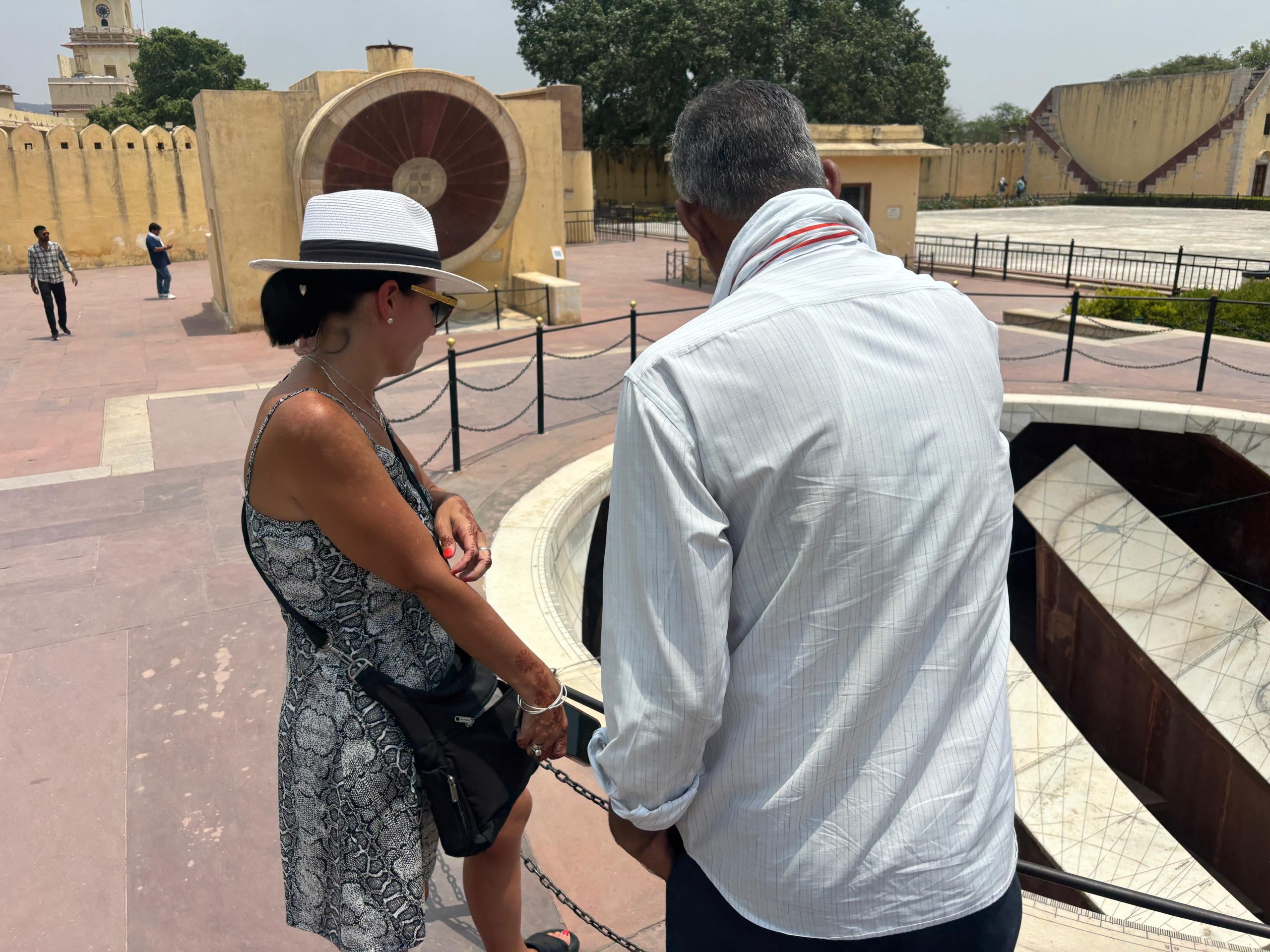
Start with the Amber Fort, a hilltop palace where you can ride an elephant up the ramparts (though many travelers now opt to walk for ethical reasons). The Palace of Winds (Hawa Mahal) is the city’s most photographed landmark, and the City Palace gives you a glimpse into royal life.
But honestly? Some of the best experiences in Jaipur happen in the markets. The textile shops, jewelry stores, and handicraft bazaars are paradise for anyone who loves homewares and unique souvenirs. Block-printed fabrics, blue pottery, and semi-precious stones are all worth investigating. Just remember to haggle—it’s expected and part of the fun.



Is the Golden Triangle “Authentic” Enough?
Busted: The Myth of the “Tourist Trap”
Let’s address the elephant in the room: Yes, the Golden Triangle is popular. Yes, it’s well-trodden. And yes, you’ll encounter other tourists.
But here’s the thing—just because the Sydney Opera House is touristy doesn’t mean it isn’t spectacular. The same logic applies here. The Golden Triangle offers a condensed version of India’s best history, architecture, and culture. It’s been designed (naturally, over centuries) to showcase what makes India extraordinary.
This circuit is the safest and most logical start for a first-time India from Australia. You’ll have better infrastructure, more English speakers, and established tourist services. Think of it as your training wheels before you venture into Kerala, Rajasthan’s desert towns, or the Himalayas.
The monuments are touristy because they’re genuinely worth seeing. The Taj Mahal has been wowing visitors for nearly 400 years. Jaipur’s palaces aren’t staged sets—they’re real, functioning pieces of history. And Delhi’s street food scene? That’s as authentic as it gets, even if some of the vendors speak enough English to take your order.
You’re not compromising authenticity; you’re just starting with the greatest hits before diving into the deep cuts.
Survival Guide: India Travel Tips for First-Time Visitors from Australia
The “Delhi Belly” Situation (and How to Avoid It)
Let’s talk about everyone’s least favorite travel topic: stomach issues. Delhi belly is real, but it’s not inevitable if you’re smart about it.
Stick to bottled water for everything, including brushing your teeth. Avoid ice in drinks unless you’re at a reputable hotel. When it comes to street food, eat where the locals eat—busy stalls with high turnover are usually safe because the food is fresh. Empty restaurants are a red flag.
This isn’t about avoiding flavor or being paranoid. Indian food is absolutely worth the risk, but there’s a middle ground between eating at five-star hotels and downing suspect biryani from a deserted cart.
Think of it like managing heat in the Outback: preparation and hydration are everything. Pack some gastro-stop tablets just in case, but with sensible precautions, you’ll likely be fine.
Scams, Safety, and “Touts”
Safety tips for first-time India travel from Australia start with one simple rule: ignore the touts, but stay polite.
You’ll encounter people offering unsolicited help, trying to redirect your taxi, or claiming your hotel has burned down. The classic scam involves a driver telling you your accommodation no longer exists and suggesting an alternative (where they get a commission). Just smile, be firm, and stick to your plan.
Book your accommodations in advance and have confirmation emails ready. Use prepaid taxi services or rideshare apps like Uber or Ola. Don’t be paranoid—India is generally safe for tourists—but do trust your gut.
As for general safety, India has the same travel precautions as most countries. Keep valuables secure, be aware of your surroundings, and avoid walking alone in isolated areas late at night. The biggest challenge isn’t danger; it’s simply feeling overwhelmed by the constant energy and attention.
Cultural Etiquette: The “No Worries” Attitude Meets Respect
Cultural etiquette tips are essential for making a good impression and avoiding awkward situations.
Dress modestly, especially at religious sites. This means covering your shoulders and knees. Light, loose linen clothing works perfectly—it keeps you cool while being respectful. Remove your shoes before entering temples, mosques, and sometimes even homes.
Learn the Indian head wobble. It’s a side-to-side head shake that can mean yes, maybe, I’m listening, or I understand, depending on context. It doesn’t mean no, which trips up a lot of visitors.
Australians’ laid-back attitude generally translates well in India, but add a layer of formality with elders and in religious settings. A simple “namaste” with hands pressed together goes a long way.
Logistics: Flights, Visas, and Packing
Getting There from Down Under
The good news? Direct flights from Melbourne and Sydney to Delhi exist and are absolute game-changers. Airlines like Qantas, Air India, and others offer non-stop services that clock in around 12-13 hours. No layovers, no stress.
Booking at least a few months in advance usually scores you better deals, and keep an eye out for shoulder season (March-April or September-October) when prices dip and the weather is more manageable.
As for your travel visa, Australian citizens can apply for an e-Visa online. The process is straightforward: fill out the application, upload a photo and passport scan, pay the fee (around $25-80 USD depending on the type), and you’ll typically receive approval within a few days. Make sure your passport is valid for at least six months from your arrival date.
Essential Packing List for India from Australia
Here’s what you absolutely need in your bag:
- Hand sanitizer and wet wipes – Your new best friends for maintaining hygiene on the go.
- Gastro-stop or Imodium – Just in case Delhi belly strikes despite your best efforts.
- Slip-on shoes – You’ll be removing your shoes constantly at temples and some restaurants. Make your life easier.
- Modest, breathable clothing – Light linen shirts, loose cotton pants, and long skirts work brilliantly. Avoid singlets and short shorts.
- Sunscreen and a hat – The Indian sun is no joke, even in winter months.
- A good quality water bottle with a filter – Reduces plastic waste and keeps you hydrated safely.
- Power adapter – India uses Type C, D, and M plugs (230V). Bring a universal adapter.
- Small backpack or day bag – For carrying water, sunscreen, and your camera while sightseeing.
- Basic first aid kit – Band-aids, antiseptic cream, pain relief, and any prescription medications you need.
Ready to Book Your Indian Adventure?
Here’s the bottom line: You wouldn’t skip the Harbour Bridge on your first trip to Australia, and you shouldn’t skip the Taj Mahal on your first trip to India from Australia. The Golden Triangle gives you the essential India experience in a manageable, well-organized package.
Delhi provides the political history and urban intensity. Agra delivers the iconic monument you’ve been dreaming about since primary school geography class. Jaipur offers the colors, crafts, and cultural soul that make India unforgettable.
Yes, it’s popular. Yes, other tourists will be there. But that’s because these places have earned their reputation over centuries. They’re the greatest hits for a reason.
Start with the Golden Triangle, get comfortable with India’s rhythm, and you’ll be planning your return trip to explore Goa, Kerala, or the Himalayas before your flight home even lands in Sydney.
The chaos, the colors, the curry, and the culture are waiting. The only question is: when are you booking?
Ready to explore the Golden Triangle? Check out our recommended itineraries for first-time visitors and let us handle the logistics while you focus on the experience. India is calling, mate—it’s time to answer.